Okay, let's talk about what actually changes
Your skin shifts after 40. The tissue gets thinner, loses elasticity, and becomes more reactive to direct stimulation. This isn't a problem. It's information. And once you know it, adjusting your approach becomes straightforward.
The biggest mistake people make is assuming their old settings still work. They don't. What felt perfect at 35 can feel too intense, even uncomfortable, at 45. The good news: a lemon clitoral vibrator like the Lem is actually engineered for exactly this transition because suction-based stimulation works differently than traditional vibration.
Why intensity isn't the same as sensation
Here's the thing that trips people up. Sensitive skin doesn't mean you need less pleasure. It means the pathway to pleasure shifts. Direct friction can feel abrasive. Suction, by contrast, pulls rather than rubs. That difference matters hugely when tissue is thinner.
When you're scanning through lemon vibrator settings on any device, you're usually seeing pattern numbers (1, 2, 3) and intensity levels (low, medium, high). After 40, your strategy changes. Most people find they actually need fewer patterns but longer warm-up time. Your nervous system takes longer to wake up. That's not dysfunction. That's aging. And it's fixable.
The settings framework that works
I recommend a three-phase approach for anyone with sensitive skin:
Phase one: low-intensity exploration (settings 1-2). Spend 5-10 minutes here. Don't rush. The goal isn't orgasm yet. It's waking up your tissue and letting arousal build gradually. Patterns tend to work better than steady vibration for sensitive skin because they give the nerve endings moments to recover between stimulations.
Phase two: medium intensity with rhythm (settings 3-5). Once you feel the shift in your body, move up. At this stage, you're looking for patterns that feel varied rather than relentless. A pattern that pulses is often better than one that's just a faster vibration. Your body needs the rhythm, not the raw power.
Phase three: personal peak (settings 6+). Some people never need to go here. Some find their best sensation right at setting 3. The point is you're listening to your body, not chasing a number. Sensitive skin after 40 often means your absolute best orgasms come from sustained medium stimulation plus mental focus, not from maxing out the dial.
The lemon vibrators are particularly good for this because the suction mechanism means you're never just hammering the same spot. The sensation naturally varies even at the same setting.
Technique matters more than settings
One thing therapists notice working with couples after 40: the people who have the best results with a lemon vibrator aren't necessarily using the highest settings. They're using intention. They're holding the device at slightly different angles. They're taking micro-breaks. They're checking in with what feels good in the moment instead of expecting one setting to carry them through.
With sensitive skin, angle is everything. A direct-on approach at setting 4 might feel too intense. The same setting at a 45-degree angle? Perfect. This is partly because sensitive tissue responds differently to pressure distribution, and partly because psychologically you're not bracing yourself against discomfort.
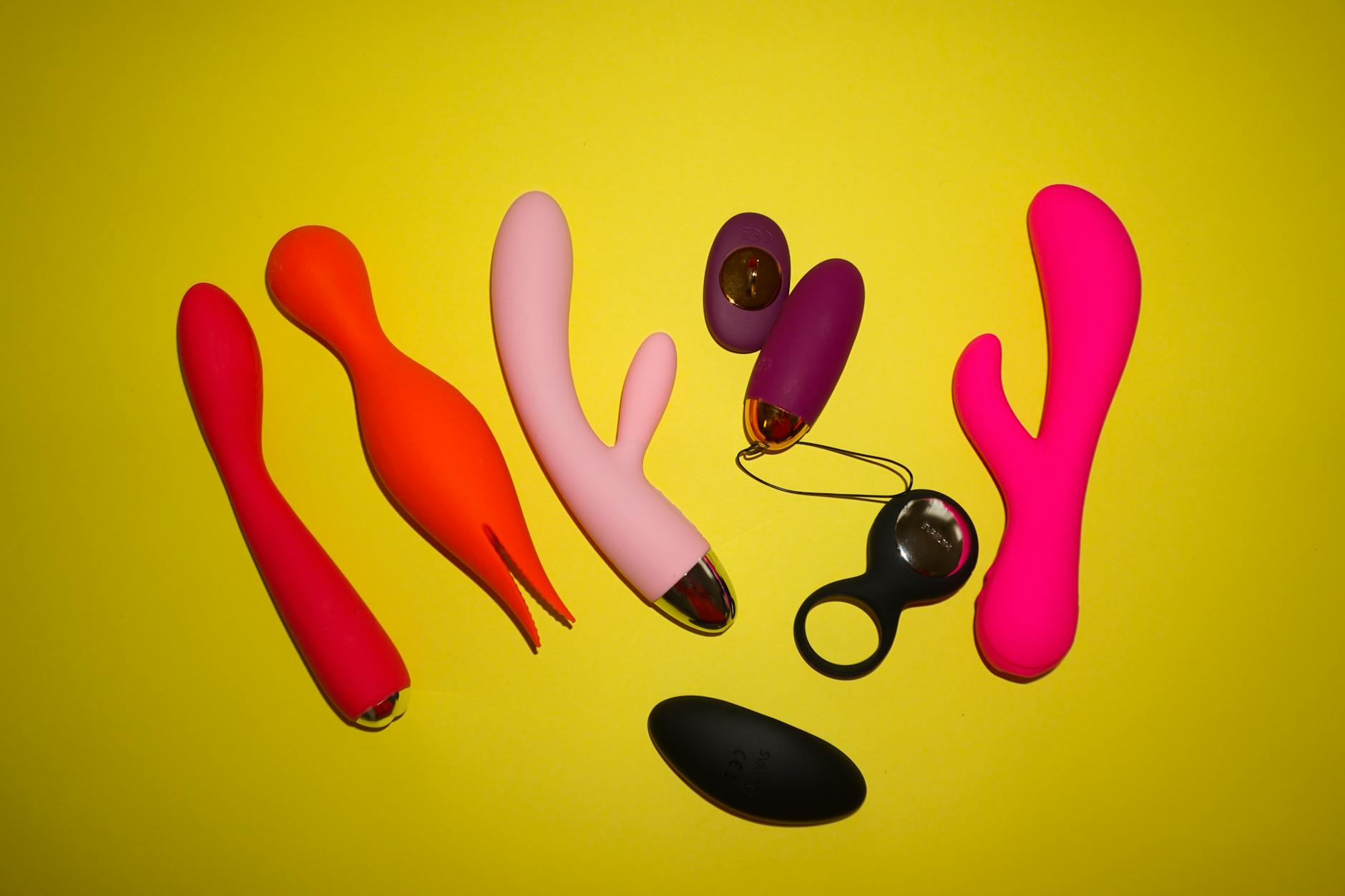
Photo by FounderTips on Pexels
Lubrication changes everything (and not just for comfort)
After 40, lubrication isn't optional. And the type matters. Water-based lubes work best with silicone toys. A good water-based lube actually changes how the lemon vibrator feels. It softens the initial contact, distributes the suction more evenly, and honestly, it makes lower settings feel richer and more full.
Here's what I've noticed: people often increase their vibrator settings because they feel numb. What's actually happening is the tissue is dry, so the sensation gets muted. Add lube, and suddenly setting 2 feels like plenty. You're not losing sensation. You were just missing context.
Reapply halfway through. Your body's natural lubrication changes throughout a session, and adding more water-based lube as you go keeps the sensation consistent.
The refractory period question
After 40, the time between orgasms can shift. Longer refractory periods are normal and common. This is where understanding your lemon vibrator's pattern library becomes genuinely useful. Some people find they can have multiple orgasms if they switch patterns instead of stopping. Others find that switching intensity levels keeps sensation fresh without overstimulating.
There's no "right" way here. The point is experimentation becomes part of the pleasure, not a workaround. If you typically felt numb after a first orgasm at 35, you might discover that dropping to pattern 1 at setting 2 lets you explore a second wave at 43. Different settings aren't a concession. They're a map.
When to see someone (and when settings alone won't fix it)
If you've tried the graduated approach and everything still feels painful or numb, talk to your doctor. Genitourinary syndrome is real and common. A topical estrogen cream can genuinely transform the tissue in 2-4 weeks. That's not a failure of your technique. That's biology. Once the tissue improves, the same lemon vibrator settings suddenly feel totally different.
If you're on hormonal medication or going through perimenopause, your sensitivity can shift week to week. That's also not a setting problem. That's a tracking problem. Keeping a quick note of what worked when helps you notice the pattern (literally, your cycle patterns) instead of assuming you're doing something wrong.
Some people also find that after a long break from vibrator use, sensitivity needs to rebuild. How to recover clitoral sensitivity after long-term vibrator use has more on this, but the short version: start lower, stay there longer, and trust the process.
The pattern selection philosophy
Most lemon vibrators have 8-10 patterns. You don't need to use all of them. After 40, I typically see people gravitating toward 2-3 favorites. The reason is that sensitive skin requires you to know your device intimately. The pattern you're reaching for at setting 3 on a Tuesday might not be the one you want on Thursday. Your hormones shift. Your stress level shifts. The device that works brilliantly one day might feel slightly off the next.
That's not a malfunction. That's nuance. Getting good at this means knowing which patterns work for which moods, which days, which types of stimulation your body is asking for. It's the difference between reading a manual and actually learning your device.
Real talk about patience and pleasure
Honestly, the single biggest shift I see in people over 40 is this: they stop rushing. Sensitive skin almost forces that. You can't force an orgasm when the tissue is tender. You have to invite it. You have to build it slowly. And almost universally, people report that the orgasms that come from this slower, more intentional approach are stronger than the ones that came from "just turn it to 10 and see what happens."
Your lemon vibrator isn't less effective after 40. It's different. And different, in this case, usually means better.
FAQ
What lemon vibrator setting should I start with if I have sensitive skin?
Start at pattern 1 or 2 with the lowest intensity option. Spend 5-10 minutes here before increasing anything. The goal is arousal-building, not immediate sensation. Your nerve endings need time to wake up, especially if you're new to sensation-building after a break or after hormonal changes.
Can I use my lemon vibrator every day with sensitive skin?
Yes, but adjust your settings. If you use it daily, you might find that patterns 1-3 at medium intensity give you better sustained pleasure than pushing higher. Taking breaks between days is fine too. Sensitivity isn't a sign you're using it wrong. It's just information about where your body is right now.
Does lube really change how a lemon vibrator feels?
Completely. Water-based lube softens the initial contact and distributes suction more evenly across the tissue. Many people find that adding good lube means they need lower settings to achieve the same sensation. It's not a workaround. It's an upgrade.
Is numbness during use a sign my settings are too high?
Sometimes. But often it's dehydration. If you're feeling numb even at lower settings, add lube and wait 2-3 minutes. If numbness persists after lube, lower your intensity and spend longer at lower patterns. Numbness can also signal you need a break. A 10-minute pause often resets sensation completely.
Why do the same settings feel different on different days?
Hormones, hydration, stress, and arousal level all affect tissue sensitivity. After 40, these fluctuations are normal. This is why having a range of patterns and intensities you're comfortable with matters more than finding "the one perfect setting."
Should I stop using my lemon vibrator if my skin gets more sensitive?
No. But adjust downward and stay there. Start with patterns 1-2 at the lowest setting. Often, letting your body adjust to lower intensity for a week or two resets your nervous system. Then you can gradually explore higher settings again if you want to. Sensitivity isn't a dead end. It's a recalibration.
The bottom line
Sensitive skin after 40 means your lemon vibrator needs a different conversation. Lower settings, longer warm-up, intentional pacing, and good lube are your framework. Your pleasure doesn't decrease. It deepens. The patterns that work best are usually the ones that give your nervous system moments to recover between pulses. And honestly, most people find that the most satisfying orgasms of their lives come not from maximum intensity, but from patient, grounded attention to what their body is actually asking for.
If you're navigating this shift and want to talk through what's working (or not), we're here. Get in touch.