Let's start with the honest part
Starting an antidepressant is often the right call. It helps you sleep. Lifts brain fog. Makes the world feel navigable again. And then your orgasms go quiet.
This isn't weakness or broken wiring. It's a direct pharmacological effect. SSRIs, SNRIs, and tricyclic antidepressants all work on serotonin, which plays a starring role in sexual response. Between 40-60% of people on these medications experience some form of sexual side effect: delayed orgasm, muted sensation, difficulty getting aroused, or numbed pleasure when it does arrive.
Here's what matters: this is temporary. It's also manageable. And a lemon clitoral vibrator — specifically the air-suction design — is one of the most effective tools for working around it while you're adjusting.
Why antidepressants change sensation
Serotonin has two jobs in pleasure. First, it's involved in the brain's reward circuitry. When serotonin is working overtime (which SSRIs cause by preventing its reabsorption), the system becomes less sensitive to immediate pleasure cues. It's like turning down the volume on your own responsiveness.
Second, serotonin suppresses dopamine in certain pathways — the neurotransmitter that drives desire and urgency. This is partly why the medication works for depression and anxiety. But it also means less spontaneous arousal, longer warm-up times, and that familiar "I want to feel this but my body isn't cooperating" frustration.
The physical side is real too. Reduced blood flow to genital tissue, less natural lubrication, and decreased clitoral engorgement all happen with certain antidepressants. Your body isn't broken. The medication is temporarily changing its chemistry.
When adjustment period actually happens
Most people see sexual side effects peak in the first 2-4 weeks, then gradually improve. By weeks 8-12, many experience measurable improvement without dose changes. But some don't. If you're 12 weeks in and sensation is still flatlined, that's worth a conversation with your prescriber about timing, dose, or switching to a medication with a lower sexual side effect profile.
Don't wait in silence hoping it resolves. Your psychiatrist has options. Buspirone, bupropion, or a different class entirely might work just as well for your depression without the sensation cost.
The lemon vibrator strategy
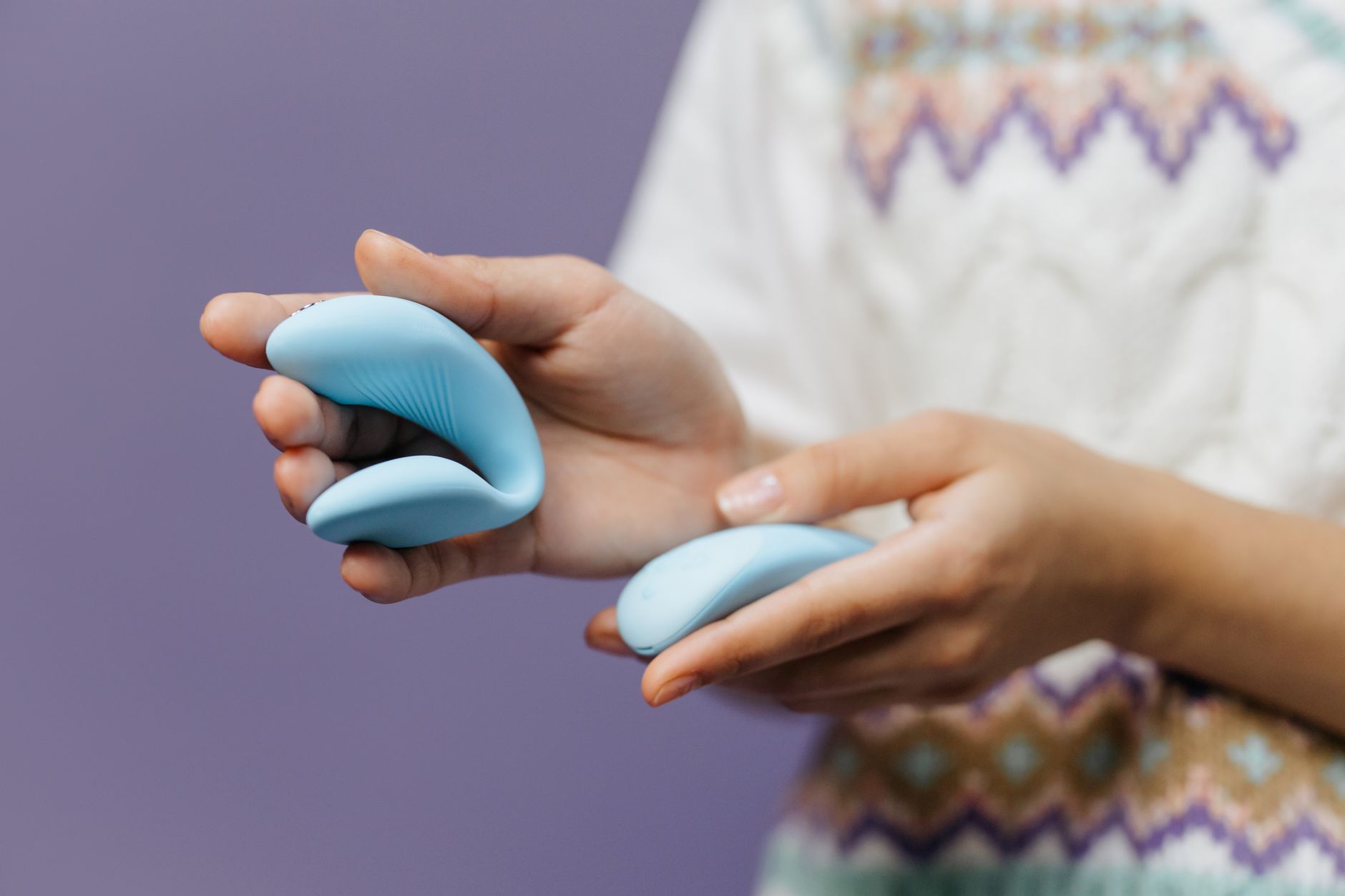
A lemon clitoral vibrator uses air-suction technology rather than vibration. This matters because it works differently on your nervous system than traditional vibratory toys.
Where vibration relies on rapid movement to trigger nerve endings, air suction creates a gentle seal and rhythmic pressure that stimulates nerves more directly and with less intensity required. For someone on SSRIs dealing with reduced genital sensitivity, this is the practical advantage: you get stronger sensation from lower power settings.
Starting with a lem vibrator when you're medicated means you're not chasing numbness with increasingly high vibration speeds. Instead, you're using a different mechanism that often feels more effective at lower intensities.
The practical setup for antidepressant adjustment
Four things make the difference:
Build in longer warm-up time. Your arousal system is slower right now. Budget 20-30 minutes instead of your pre-medication timeline. Use the time for touch that has nothing to do with orgasm. Hands, fingers, breath, skin contact. Let your brain catch up to the intention.
Start at the lowest suction setting. The lemon vibrator's gentlest patterns are worth exploring first. Cycle through them slowly. Numbness often feels like "I need more intensity," but that's misleading. What you actually need is consistent, sustained sensation at the right intensity for your current nervous system.
Focus on sensation, not outcome. When orgasm feels distant or muted, the goal becomes orgasm itself. That tightens everything and makes it harder. Shift the goal to "I'm paying attention to what I can feel right now." Sometimes that's tingling. Sometimes it's pressure. Sometimes it's just warmth. Pleasure isn't only orgasm.
Use water-based lubricant every time. Antidepressants often reduce natural lubrication. A good water-based lube isn't a sign you're broken; it's a tool that lets sensation happen without friction pain. Keep it nearby.
The emotional piece that changes everything
Honestly, the psychological weight of sexual side effects hits harder than the physical piece. You're managing depression or anxiety. You finally feel stable. And then your body feels like it's punishing you for getting better.
This creates a loop: medication makes you feel flat. Flat includes sexual response. You try harder to feel pleasure. Trying harder makes pleasure less likely. By week three, you're either angry at the medication or wondering if you were ever capable of good sex at all.
Break the loop by separating two conversations. One is medical: "This medication has a side effect I want to address." That's a conversation for your prescriber. The other is personal: "I want to stay connected to my own pleasure while my body adjusts."
A lemon vibrator addresses the personal conversation. It's a way of saying "my pleasure still matters" even while the chemistry is in flux. That small act of attention often changes the emotional weight of the adjustment period.
When the timing gets tricky with a partner
If you're with a partner, the adjustment period can feel like a double loss. You're managing your own body's changes and their disappointment or confusion. That's real.
The kindest thing you can do: communicate early and specifically. "My medication is changing how sensation feels right now. I'm exploring ways to work with it. This isn't about you or us. It's a side effect I'm managing." Then show your partner you're actively engaged. Using a lemon vibrator during partnered sex signals that you're not giving up on pleasure; you're adapting.
Many couples find that air-suction toys like the lemon create opportunities for touch and attention that penetration-focused sex doesn't. There's nothing wrong with that. Sometimes adjustment periods open up new things.
Talking to your doctor about this
Your prescriber needs to know you're experiencing sexual side effects. They won't judge. They hear this constantly. The conversation has three parts.
First: describe what's changed. "Orgasms take longer" or "sensation feels numb" or "I'm not interested anymore" are all useful data.
Second: ask about timeline. "Is this likely to improve in the next month, or should we plan for a change?"
Third: explore options. Waiting it out is one choice. Timing your dosage differently is another (some people take SSRIs at night rather than morning to minimize midday effects). Switching medications is a third. Adding buspiron or bupropion to offset sexual side effects is a fourth. All are legitimate medical tools.
The patience piece
Your brain is rewiring itself. That's what the medication is doing. Rewiring takes time. The lemon vibrator isn't a magic fix; it's a companion tool that says "I'm paying attention to pleasure during a genuinely difficult adjustment."
Most people do see significant improvement in sexual sensation by 12 weeks. Some get there in 6. A few need a medication switch. But almost everyone who stays curious and engaged with their own pleasure rather than giving up finds a path through it.
Your antidepressant is likely saving your life right now. It's okay if your pleasure feels numb for a few weeks. It's also okay to use every available tool to keep that connection alive while you wait.
People also ask
How long do antidepressant sexual side effects usually last?
Most people see the peak side effects in the first 2-4 weeks, then gradual improvement over 8-12 weeks. However, some experience persistent effects. If you're 12 weeks in with no improvement, talk to your prescriber about other options. There's no prize for suffering through this alone.
Can I switch antidepressants if sexual side effects are too much?
Yes. Some SSRIs have lower sexual side effect rates than others. Bupropion, for example, often has fewer sexual complications. Your doctor can help you weigh the benefits of your current medication against quality-of-life factors like sexual function. It's a valid medical conversation.
Does the lemon vibrator work better than regular vibrators for this?
For many people, yes. Air-suction toys like the lemon clitoral vibrator create sensation through pressure rather than high-speed vibration. Since SSRI-related numbness is partly a neurological sensitivity issue, the different mechanism often feels more effective at lower intensities. That said, every body responds differently. Try it and notice what works for you.
Should I use my vibrator during sex with my partner?
Absolutely, if that's what feels good. Many couples find that adding a clitoral vibrator during partnered sex makes sensation more accessible and pleasure more achievable during the adjustment period. This is especially true with air-suction toys like the lemon, which don't require the same hand positioning as traditional wands.
Is it normal to lose interest in sex entirely while on antidepressants?
Yes. Reduced libido is a common side effect. The good news is that it often improves with time. In the meantime, scheduled time for pleasure (even if it feels less spontaneous) can help keep that part of your life active. Using a lemon vibrator as part of that practice keeps you connected to your own body rather than waiting passively for desire to return.
What if sensation doesn't come back after a few months?
Talk to your doctor. You have options: dose timing changes, medication switches, or adding something like buspiron to help offset the effect. Persistent sexual side effects are real and worth medical attention. You don't have to choose between mental health and sexual pleasure. Both matter.
The bottom line
Antidepressants save lives. Sexual side effects are also real. Both things are true. While your body adjusts to medication, a lemon vibrator gives you a concrete way to stay engaged with pleasure rather than watching it disappear. Patience, communication with your doctor, and tools like air-suction toys make the adjustment period shorter and much less lonely. Your pleasure will return. In the meantime, you're not broken. You're just recalibrating.