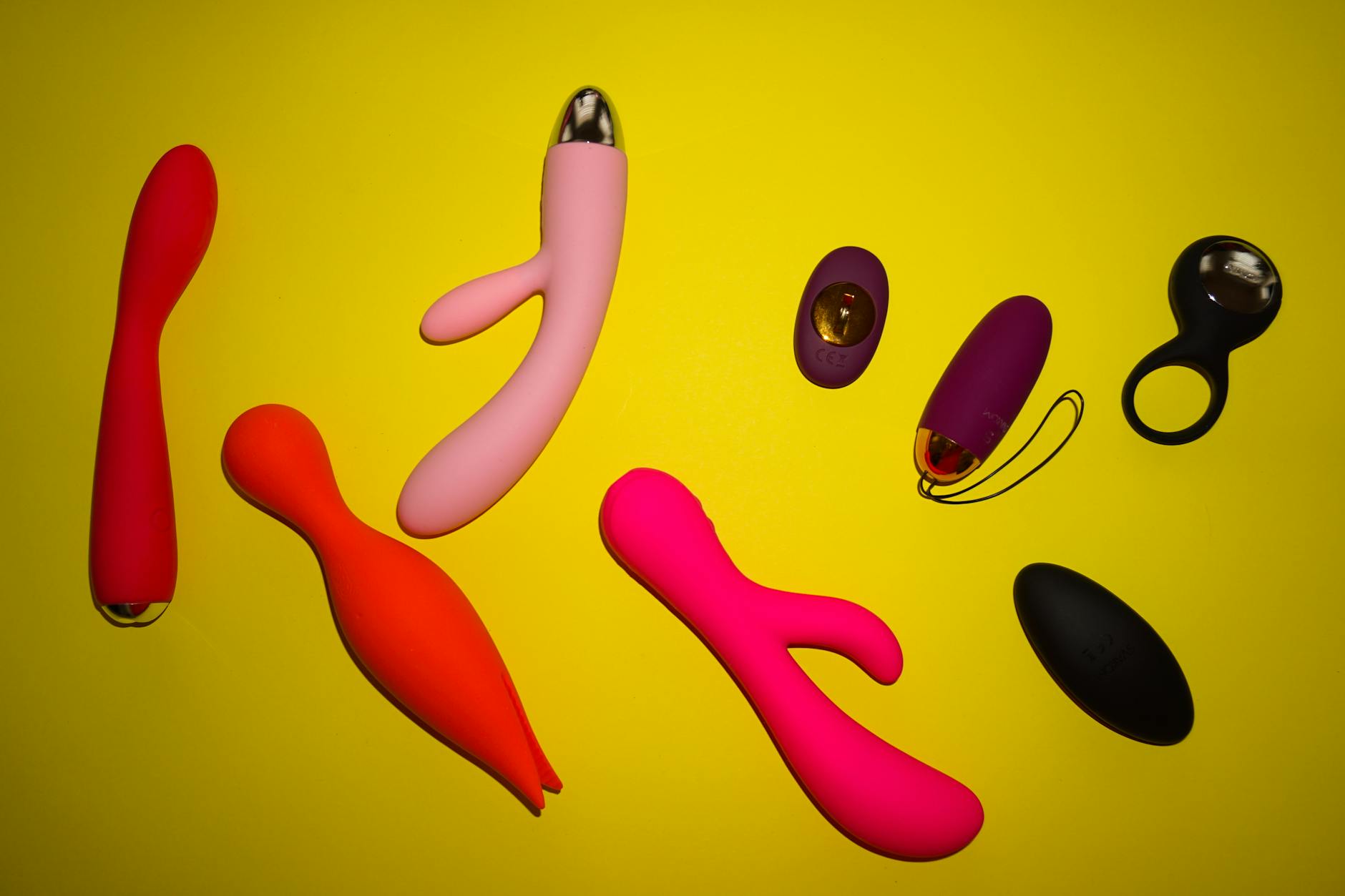
Let's start with what disconnection actually is
Your body is there. You can move it, you can see it in a mirror, you know intellectually that it's yours. But it doesn't feel like yours. Or it feels like you're watching it from three feet away. Or pleasure signals come in, and they arrive like mail addressed to someone else. That's dissociation, and it's wildly common, especially for people navigating relationship strain, grief, past trauma, or just the grinding stress of modern life.
Here's the thing nobody tells you: you cannot think your way back into your body. Meditation, affirmations, journaling. Those are fine. But they work in your head, not in your nervous system. Your body reconnects through sensation, through something that forces attention downward, into your skin and nerve endings. That's where a lemon vibrator becomes a tool that works differently than it does for anyone else.
Why standard vibrators often don't work for dissociation
Most vibrators rely on you already having some baseline arousal, some starting signal that pleasure is possible. When you're dissociated, that signal is blocked. The vibration arrives, your brain registers it technically, but there's no follow-through because the circuit isn't live. You end up chasing sensation that doesn't land, which deepens the frustration and often the disconnection itself.
Clitoral suction toys like the Lem work differently. They don't require pre-existing arousal. They create a localized pressure and rhythm that forces the nervous system to pay attention. It's not subtle. It's specific, it's unavoidable, and that unavoidability is precisely what makes it useful for someone caught in dissociation. Your brain can't ignore it the way it ignores a gentle vibration.
The neurology of air-suction and embodiment
When you use an air-suction lemon vibrator, you're not just stimulating nerve endings. You're creating a rhythm that requires your nervous system to process in real time. The pattern, the intensity, the pulsing. None of it is ambient background noise. Your brain has to notice.
This matters because dissociation lives in the gap between sensation and perception. Your body has stimulus, but your mind isn't integrated with it. An air-suction toy closes that gap faster than a traditional vibrator can, because the sensation is directional, concentrated, and hard to tune out. It's like the difference between background music and someone tapping you on the shoulder.
Over time, repeated use rewires the association. Your nervous system learns that this specific sensation means "I am here, in my body, and something is happening to me." That's not spiritual. That's neuroplasticity.
Setting the stage for reconnection
Technical skill with a lemon vibrator matters less than the context you create around it. Here's what I recommend to clients feeling disconnected:
First, set a timer for five minutes. Not the whole session, just the first five. Disconnection often gets worse when you feel obligated to perform pleasure or achieve an orgasm. A time limit removes that pressure. Five minutes is long enough to notice sensation but short enough that it feels manageable.
Second, pick a time when you're already somewhat present. Not when you're exhausted, not when you have twenty other things pending. Morning, or an afternoon when work is done, or a quiet evening. Dissociation deepens under stress and fatigue. You're not trying to force presence. You're creating conditions where presence is easier.
Third, don't aim at pleasure. This sounds counterintuitive, but aiming is what blocks dissociated people. Instead, set the intention as simple observation: "I'm going to use this tool and notice what happens. No judgment, no outcome required." That shift in framing changes everything.
How to use a lemon clitoral vibrator when you're dissociated
Start with the Lem on its lowest setting. Not because you need to work up to higher intensities, but because the lowest setting gives your nervous system the smallest sensory bite to process. You're essentially offering your brain a clear, simple message instead of overwhelming input.
Place it directly on your clitoris and hold it there for three to five seconds without moving. Don't use it like a traditional vibrator, sweeping or angling. Just contact and stillness. This teaches your nervous system that the sensation is real and sustained, not fleeting.
Then, move to a slow back-and-forth or side-to-side motion, about one inch of movement. Not fucking motions, not patterns yet. Just slow, controlled contact that you can feel happening. The goal is to stay present with that movement, tracking it in real time. Where is it? How does it change when you shift slightly? This internal observation is the entire point.
After two to three minutes at the lowest setting, try pattern 1 if your lemon vibrator has preset patterns. Most do. One pattern is usually a steady pulse, not a complicated rhythm. Stay with it for two to three minutes. Notice if your mind drifts. It will. That's not failure. Bring your attention back to the sensation. That's the work.
When disconnection starts to lift
You'll notice it in small ways. A shift in breathing. Heat arriving where there was numbness before. A thought arriving, without judgment, like "oh, that actually feels something." You might not orgasm. That's completely fine. The reconnection happens before and beneath pleasure.
Many clients report that after two to four weeks of five-minute sessions, three to four times weekly, they start to feel differently in their bodies overall. Not just during sexual time, but in daily life. They notice temperature more, textures, movement. That's the nervous system learning trust again. The lemon vibrator is just the teacher.
What if nothing happens at first
Dissociation is stubborn. It's often there because your system needed it. If you try this and feel nothing, that's not a sign it's not working. It's a sign you need gentler, slower introduction. Some clients need two or three weeks of very brief exposure, thirty seconds to a minute, before the nervous system even registers that this is a safe sensation.
If dissociation is tied to past trauma, working with a therapist alongside this practice matters. A lemon vibrator is a tool for reconnection, not a treatment for trauma. The two work better together.
The patience part
Reconnection is not fast. Your body didn't disconnect overnight, and it won't reconnect overnight either. But it does reconnect. The nervous system is plastic, meaning it can rewire. Using a tool that creates unavoidable, specific sensation, repeatedly, teaches your system that presence is possible. That your body is yours. That pleasure is available to you again.
Start small. Five minutes. One setting. No goals. Show up consistently. This is how reconnection actually happens.
Common questions about using a lemon vibrator for dissociation
Will a lemon vibrator work if I've been dissociated for years?
Yes, but it works differently and often more slowly. The longer dissociation has been present, the more time the nervous system needs to rebuild trust with sensation. Start with very short sessions. The Lem's lowest setting is your friend here. Consistency matters more than intensity or duration. Many people see shifts after three to four weeks of regular, gentle use.
Can I use a lemon sucker for reconnection if I'm on medication that numbs sensation?
Medications like SSRIs and some anxiety medications do reduce sexual sensation. A lemon clitoral vibrator can still work, because the air-suction mechanism is strong enough to get through that numbness. But it may take longer, and you might need to experiment with higher intensity settings than someone without medication effects. That said, talk to your doctor if numbness is significant. Sometimes adjusting timing, dose, or medication helps.
Should I use a lemon vibrator alone or with a partner if I'm disconnected?
Alone, first. Always. Disconnection often worsens when you're performing for someone else or managing their feelings about your body. Solo exploration lets you develop a relationship with your own sensation without that pressure. After you've rebuilt some baseline connection, partnered use becomes different. Less goal-oriented, more exploratory.
What if my dissociation gets worse when I try this?
Stop and notice. Does it get worse because you're feeling more sensation and that's overwhelming? Or does it get worse because you're pushing yourself? The first is usually a sign to go slower. The second is a sign to stop and work with a therapist. Reconnection shouldn't feel violent or forced. It should feel like a slow unfrosting.
How do I know if it's actually working if I don't feel pleasure yet?
You'll notice other things first. Breathing changes. A sense of time passing, instead of everything feeling blank. Noticing that you noticed something. These micro-shifts are the evidence that something is happening in your nervous system. Pleasure comes later, if it comes at all. The real win is presence.
Can I use a lemon vibrator for reconnection if I have trauma or PTSD?
Yes, but with more support. A trauma-informed therapist and a slow, intentional approach matter a lot. Sensation can sometimes trigger trauma responses. That's not a sign that using tools is wrong. It's a sign that you need professional guidance. A therapist can help you titrate exposure so reconnection happens at a pace your system can integrate.
A final word
Disconnection is a survival mechanism. Your system did exactly what it needed to do. Reconnection is not about blaming your body for leaving. It's about gentle, consistent invitation to come back. A lemon vibrator is one tool that can help. What matters more is patience, consistency, and the willingness to notice very small shifts. Your body is waiting. It's just going to take time to hear you again.