When sensation changes, technique matters more than intensity
Reduced genital sensation is frustrating. It feels personal, like your body has stopped cooperating. The thing nobody tells you is that this isn't a pleasure problem. It's a sensation problem. They're different, and that distinction changes everything about how you use a lemon vibrator.
When you have reduced clitoral sensitivity, standard vibrators often feel muted. A lemon clitoral vibrator works differently because it uses gentle suction instead of (or alongside) vibration. Suction creates a broader, gentler stimulation pattern that's designed to wake up sensation without aggressive pressure.
Why reduced sensitivity happens and why it matters
Several things can flatten clitoral sensation. Hormonal changes during perimenopause or menopause thin the tissue. Certain medications (SSRIs, antihistamines, blood pressure drugs) dull sensation as a side effect. Years of intense stimulation can also desensitize nerve endings. Pelvic floor tension, anxiety, or disconnection in relationships can layer on numbing. Sometimes it's one factor. Usually it's three or four at once.
Here's what matters: reduced sensation doesn't mean reduced capacity for orgasm. It means the pathway to orgasm takes a different route. A lemon vibrator taps into that different route because suction hits nerve clusters that vibration alone might miss.
How suction works when vibration isn't enough
Your clitoris has roughly 8,000 nerve endings clustered in a small area. Most vibrators stimulate the surface. Suction, by contrast, draws the tissue into a small chamber and creates rhythmic pressure that engages deeper nerve layers. It's gentler on sensitive skin but often more effective for people with reduced sensation because it's working deeper.
The lemon vibrator's design makes this work particularly well. It's smaller and more focused than larger wand vibrators. The suction patterns (usually five to seven intensity levels) create a pulsing sensation rather than constant buzz. For reduced sensitivity, pulsing usually works better than constant vibration because your nerves have time to reset between pulses.
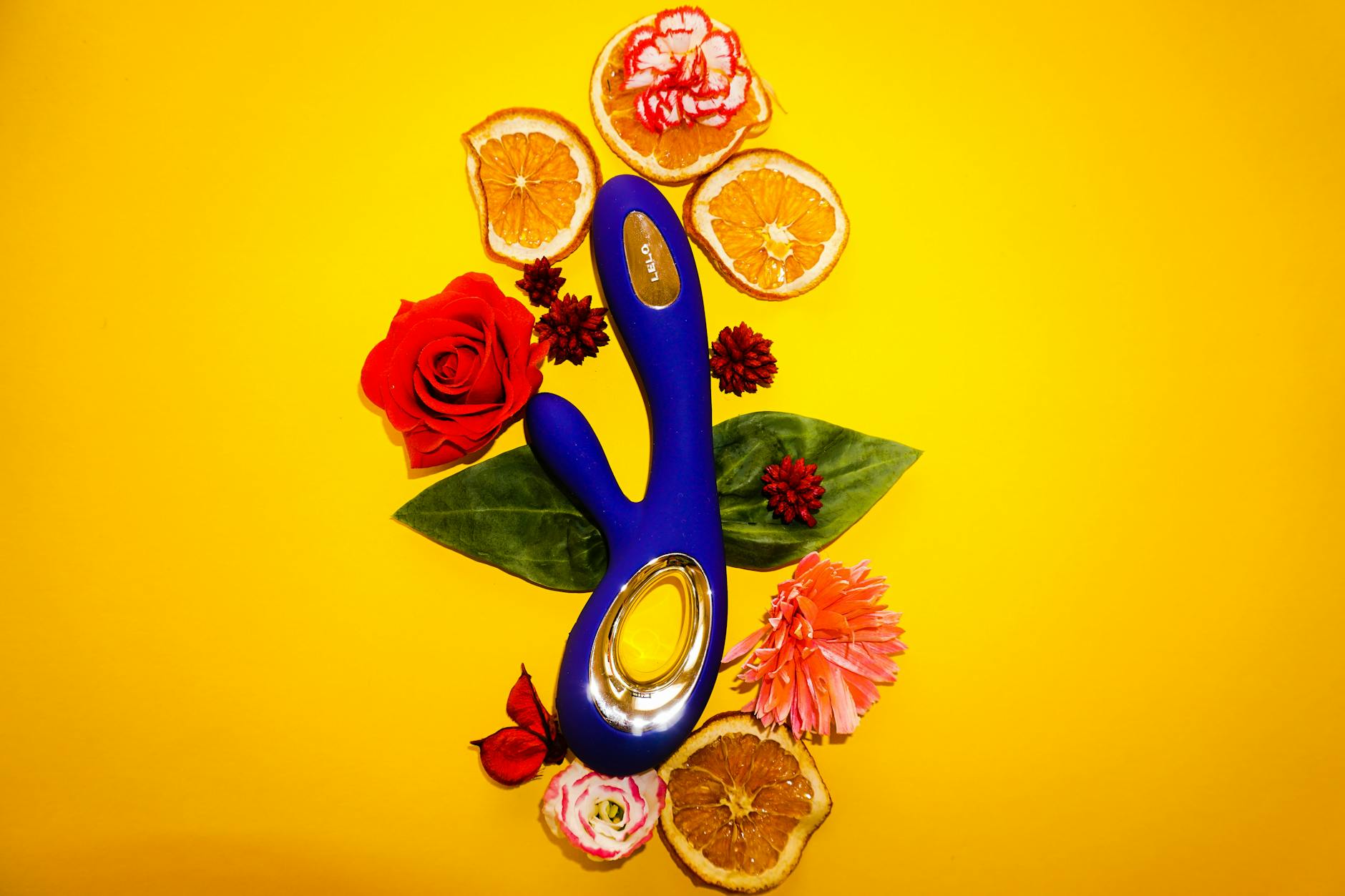
Photo by FounderTips on Pexels
The warm-up strategy that actually works
When sensation is reduced, your warm-up phase becomes critical. Most people shorten foreplay when they have reduced sensitivity (thinking it won't help anyway). That's backwards. You actually need longer warm-up, not shorter.
Budget 20 to 30 minutes before you even turn on your lemon sucker vibrator. Use your hands. Use your partner's hands or mouth if you have one. Get your blood flowing to the area, build mental arousal, and let your body remember what sensation feels like. Reduced sensitivity is often partly about disconnection. Reconnecting through touch reverses that.
Once you're genuinely aroused (not just mentally interested, but physically responding), then introduce the lemon vibrator. Start at intensity level 1 or 2. Even if it feels subtle at first, stay there for 3 to 5 minutes. Let your body acclimate. Sensitivity builds as arousal deepens.
The exact pressure and positioning technique
With reduced sensation, angle and pressure matter more than speed. This is where most people make a mistake. They press harder, thinking force solves it. Force actually numbs further.
Instead, angle your lemon vibrator slightly so the suction chamber sits directly over your clitoris (not off to one side). Apply light, steady pressure. Not floating above the skin, but not pushing hard either. Imagine pressing a stamp onto paper. Firm enough to create contact, light enough that your partner could lift it easily.
Keep the angle consistent for 1 to 2 minutes. Your body will signal if it wants repositioning. You might notice small twitches or a deepening of sensation. These are good signs. When you feel them, stay exactly where you are. Many people with reduced sensation notice that pleasure arrives slower but often arrives more intensely if you give it time and consistency.
Building sensation through pattern exploration
Instead of chasing higher intensity levels, explore the patterns. Most lemon vibrators have 5 to 7 settings. Each one combines intensity with a different pulse rhythm. Try level 2 pattern A for 2 minutes. Then switch to level 2 pattern B. Notice which rhythm your body responds to.
This matters because reduced sensation often means your nervous system is used to one type of input. By varying the pattern while keeping intensity steady, you're basically teaching your body to recognize pleasure signals again. It takes more time than ramping up to level 7, but the payoff is dramatically better sensation overall.
When to bring a partner (or why not to)
If you have a partner, involving them can enhance the experience. But the script matters. Reduced sensation often comes with vulnerability or self-consciousness. Your partner watching might make you tense, which shrinks sensation further.
Instead, tell them: I'm using this differently now. I need longer warm-up and I need you to be patient. If they can be present without coaching or commentary, that helps. If they're watching the clock or offering unsolicited feedback, close the door. Solo exploration with your lemon vibrator first rebuilds your sensitivity at your own pace.
Once you've mapped what works alone, partnered use becomes easier. You know your pleasure geography. You can guide them.
The medication conversation
If your reduced sensation started after a medication change, talk to your prescriber. SSRIs, certain antihistamines, beta blockers, and some hormonal contraceptives flatten sensation for many people. Your doctor might lower the dose, switch you to a different drug in the same class, or adjust timing (taking the pill at night instead of morning, for instance).
This conversation is legitimate medical territory, not embarrassing. Reduced sexual sensation affects your quality of life. That's what doctors are for. While you're figuring out medication adjustments, a lemon vibrator bridges the gap by working with your current nervous system rather than against it.
Hydration and tissue care
Reduced sensation sometimes means reduced lubrication. Your tissue needs moisture to conduct sensation properly. Use a water-based lubricant before you start. Not because you're broken, but because lubrication is conductive. It helps your lemon vibrator work more efficiently.
Between sessions, keep your genital tissue hydrated. That sounds odd, but tissue moisture improves sensitivity over time. Drink water. Use a genital moisturizer if your area feels dry. Avoid irritants like scented products. Some people find that even mild irritation reduces sensation further.
The timeline for noticing improvement
If your reduced sensation is recent (last few months), you might notice improvement in 2 to 4 weeks of consistent exploration with your lemon vibrator. If it's been years, give yourself 6 to 8 weeks. Sensation rebuilds gradually. You won't wake up one day with full sensitivity restored. Instead, you'll notice small upgrades. A tingle you didn't feel before. An orgasm that builds slightly faster. A pattern that feels distinctly different from another.
These tiny improvements stack. After a month of consistent practice, they add up to noticeably better sensation and easier, more intense orgasms.
When to talk to a specialist
If reduced sensation arrived with pain, numbness in other body areas, or sudden change, see a gynecologist. These can signal pelvic floor dysfunction, nerve damage, or other treatable conditions. A good pelvic floor physical therapist can often restore sensation quickly if tension or scar tissue is the culprit.
If sensation hasn't improved after 8 weeks of regular use, talk to your doctor anyway. There might be an underlying cause worth addressing.
Your sensation is worth the time
Reduced clitoral sensitivity is solvable. A lemon vibrator isn't a workaround. It's a tool built for how your body actually works right now. Combined with patience, longer warm-up, and the right technique, it usually rebuilds sensation faster than you'd expect. Your pleasure matters. It's worth figuring out.
People also ask
How long does it take for a lemon vibrator to help with reduced sensation?
Most people notice small shifts in sensation within 2 to 4 weeks of regular use, especially if reduced sensation is recent. If sensitivity has been reduced for years, allow 6 to 8 weeks for noticeable improvement. The key is consistency. Using your lemon vibrator 3 to 4 times per week with the warm-up and pulsing pattern approach yields faster results than sporadic use.
Can I use a lemon vibrator if I take medication that reduces sensation?
Yes. A lemon vibrator often works better than traditional vibrators when medications like SSRIs or antihistamines flatten sensation. However, talk to your prescriber about whether the medication itself can be adjusted. Sometimes switching to a different drug in the same class or changing dosing timing restores sensation. While you're sorting that out, a lemon sucker vibrator bridges the gap by using suction technology that engages sensation differently than standard vibration.
What intensity level should I start with if I have reduced sensation?
Start at level 1 or 2, not level 5 or 7. The instinct is to jump to high intensity, but that often numbs sensation further. Stay at low intensity with varying pulse patterns for 1 to 2 minutes each. As your arousal deepens, sensitivity usually increases and you can explore higher levels if you want. The slower approach actually rebuilds sensation faster than jumping straight to intense settings.
Is reduced sensation permanent?
Not always. If it's medication-related, switching drugs or adjusting dose often reverses it. If it's hormonal, addressing the hormonal issue can help. If it's from tension or anxiety, regular exploration and relaxation usually improve sensation. If it's from years of intense stimulation, reducing intensity for a few weeks and then gradually reintroducing stimulation can help. Some cases need professional support from a pelvic floor therapist or sex therapist, but many resolve on their own with the right approach.
Should I tell my partner about reduced sensation?
Yes, if you have one. Reduced sensation isn't your fault, and it doesn't mean you find your partner less attractive. It's a physical shift that deserves the same conversation as any other body change. Telling them helps because your partner might otherwise interpret slower arousal as disinterest. It also means you can ask for what you actually need (longer warm-up, different touch patterns, or solo exploration time) instead of struggling silently. Communication actually deepens pleasure.
Does a lemon clitoral vibrator work better than other vibrators for reduced sensation?
For many people, yes. The lemon vibrator uses suction technology that engages sensation differently than traditional vibration alone. Suction creates broader, gentler stimulation that often feels more effective for reduced sensitivity. That said, what works is personal. Some people respond better to rumbling vibration at lower frequencies. If you're not sure, a buying guide can help you figure out which type matches your body best. Nancy Official's lemon vibrators are specifically designed for clitoral suction, which makes them a solid choice if sensitivity is already compromised.