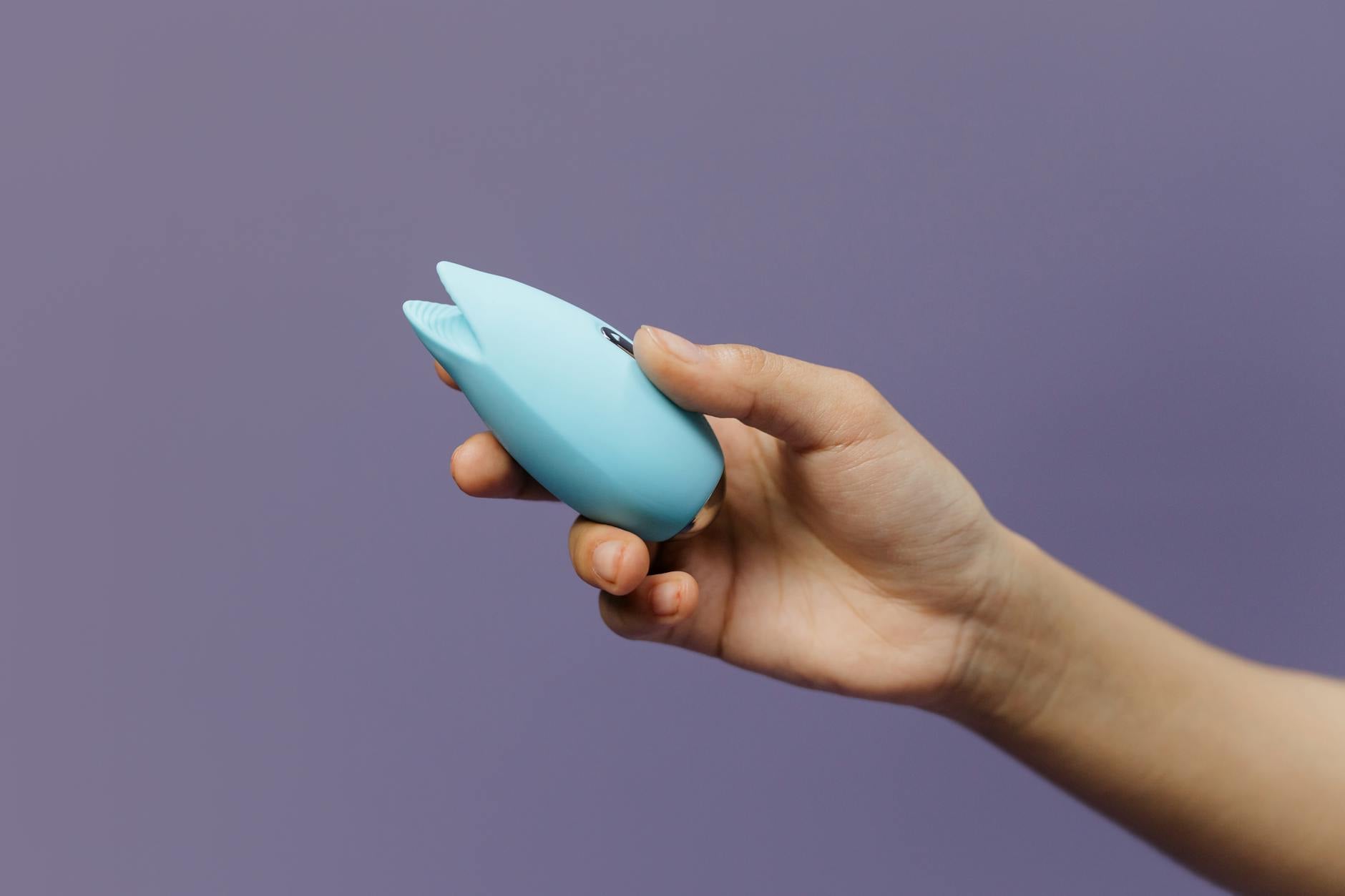
The conversation nobody knows how to start
Honestly, most couples never talk about what would actually make pleasure better. They assume sex should just happen. They wait for the other person to bring it up. They buy something secretly and hope it lands right. Then they're both awkward when it appears, and nobody wins.
Here's the thing: introducing a lemon clitoral vibrator into your partnership isn't about fixing anything that's broken. It's about saying out loud that your pleasure matters enough to talk about. That takes vulnerability, but it's not complicated. I'll walk you through exactly how.
Why the conversation feels harder than it actually is
Most of us grew up learning that good sex just happens naturally. Asking for what you want feels clinical or needy. Bringing props feels like criticism of your partner. Admitting you want more feels selfish.
None of that is true, but those stories live deep. When I work with couples, the gap between what they're thinking and what they actually say out loud is enormous. One partner desperately wants to try something new but assumes the other would be hurt or threatened. The other partner has been waiting for an opening to suggest exactly that thing.
A lemon vibrator is just an object. But introducing it is actually about building the trust to say what you want. That's where the real shift happens.
Start with why, not what
Don't lead with "I want to buy a vibrator." Lead with what you actually want. Most people reach for lemon vibrators or other clitoral vibrators because they want more intense sensation, or they want to get there faster, or they're rebuilding after taking a break. Those are the openings.
Pick a moment that's not during sex and not mid-conflict. Maybe you're cooking together, or on a walk. Calm moments make hard conversations easier.
Try something like: "I've been thinking about what would actually feel better for me, and I want to talk about it. Not because anything's wrong. Because I think we could both feel better."
See what happened there? You put yourself first (I want), you invited partnership (we), and you removed the threat (nothing's wrong, this is about more good, not less bad).
Name what you actually want
This is where specificity matters. Not "I want to use toys" but "I want to feel more sensation" or "I want to get to orgasm faster so we have more time together after" or "I want to rebuild my sensitivity after the meds I started." Those details change the whole conversation.
When you're concrete, your partner can hear what you need without making it about them. If you say "I want something that stimulates me more directly," they understand. If you say "You're not doing enough," they feel blamed even if you didn't mean it that way.
Here's a framework that works: "I've noticed [specific thing]. I'd like to try [specific solution]. I'm thinking this could help us both [actual benefit]."
Example: "I've noticed it takes me longer to build up sensation than it used to. I'd like to try a lemon clitoral vibrator. I think this could help us both feel less rushed and more connected during our time together."
Expect their first reaction might not be the real one
If your partner gets quiet, or defensive, or says something like "Why, am I not enough?" that's often just the immediate gut response. It doesn't mean the conversation is over. It means they're processing something they weren't expecting.
Don't defend yourself. Just pause. Let them sit with it for a second. Then say something like: "I get that this might feel unexpected. Can I tell you what I'm actually thinking?"
People often catastrophize first and think second. That's normal. Your job is to stay calm and patient enough to get to the thinking part.
If they stay resistant, ask them what they're worried about. Usually it's one of three things: they're worried you don't want them anymore, they're worried they're doing something wrong, or they're worried about what it means about your relationship. All of those are addressable once they're out in the open.
Show them it's not a threat to them
This is crucial. Make it clear that adding a lemon clitoral vibrator is about expanding what you do together, not replacing them.
Frame it as a tool you use during partnered sex if that's what you want. "I'm thinking we could use this together. You'd be the one controlling it. Or I'd use it alongside you. It's not instead of you, it's in addition to you."
If they're anxious, start small. You don't need to have a whole extended conversation about how this will change everything. You can literally say: "Let's just try it once and see how it feels. No pressure either way. If it doesn't work, we forget about it."
That removes the stakes. It's an experiment, not a referendum on your relationship.
The difference between solo play and partnered play
Here's something I tell most couples: some people want to use a lemon vibrator with their partner present, some want to use it alone, and some want both. That's all fine. But you need to know which one you want before you bring it up, because those are different conversations.
If you want to explore solo, that's "I'd like some time alone to understand what feels good, then I can tell you what I learn." That's usually easier for partners to hear because it's not about them at all. You're just getting to know yourself better.
If you want to use it together, that's "I'd like us to try this together so we can explore what feels good for both of us." That's about shared discovery.
Both are valid. Mixing them up creates confusion. Be clear which one you want to start with.
What to actually say when you show them the vibrator
Don't just put a lemon vibrator on the nightstand and hope for the best. That creates surprise and weirdness and gives your partner no chance to adjust mentally.
Show it to them outside the bedroom first. Just hand it over. "This is what I was thinking. No pressure. Just wanted you to see it." Let them hold it, ask questions, understand it's not some exotic alien thing.
Then tell them how you'd like to use it. "I'd love to try this together next time we have sex. I'm thinking maybe during foreplay, so we have more time to explore." Or whatever feels true for you.
Notice I said next time, not right now. Giving your partner a chance to mentally prepare makes the actual experience infinitely better. They're not caught off guard. They've had time to adjust. They might even get curious or excited.
The part nobody talks about: his pleasure too
If you have a partner with a penis, understand that many lemon vibrators or other clitoral vibrators can feel amazing for them too during partnered sex. It's not just for you. Using one together can create a totally different sensation for them.
Say that out loud. "I've read that a lot of partners actually really enjoy the sensation of this too. I'm interested to find out if you do." That reframes the entire thing from "something for you" to "something we explore together."
If they say no
Sometimes a partner will genuinely not be interested. That's their call. But before you accept that, make sure you understand why. Ask them what they need to feel more comfortable.
Do they need to research it more? Do they need to understand the benefit better? Do they need to know you still want them? Do they need time?
Many times "no" in the moment becomes "okay, let's try it" after a few weeks of that no being taken seriously and the conversation shifting to something else.
If it stays a genuine no, you have a choice. You can respect that boundary, or you can decide that exploring your own pleasure solo matters enough to do it anyway. Both are valid. But make that choice consciously, not resentfully.
After you've talked about it
If you do end up trying a lemon vibrator together, check in afterward. "That felt interesting. What did you think?" Let the conversation breathe. You don't need to have it all figured out immediately.
People often feel more connected after exploring pleasure together because they've named something out loud and moved through it as a team. That's when the real magic happens.
Let that land. Don't over-manage it.
FAQ
How do I bring up wanting to use a vibrator if my partner seems judgmental about sex in general?
Start even smaller. You don't have to lead with the vibrator. Lead with "I'd like us to talk more openly about what we each enjoy." Get comfortable with basic conversations first. Often partners who seem judgmental are actually scared or ashamed themselves. Creating safety around talking about pleasure in general makes it easier to get specific later. If your partner stays genuinely closed off to any conversation about pleasure, that's worth exploring with a couples therapist.
What if I already bought a lemon clitoral vibrator without telling them and they found it?
Own it. "I bought this because I wanted to explore something for myself. I should have talked to you about it first. I'm bringing it up now because I think we could use it together, but I also understand if you need time to adjust to the idea." Don't apologize for having desires. Do apologize for the surprise. Transparency matters more than the object itself.
Can I use a lemon vibrator during partnered sex without a conversation first?
Technically yes, but don't. The conversation beforehand makes the actual experience better. Your partner isn't caught off guard. They can relax into it. Their pleasure improves. The whole thing is more connected. A few minutes of conversation now saves awkwardness later.
What if my partner wants to use a vibrator but I'm the one who feels weird about it?
That's completely normal and workable. Ask yourself what you're actually worried about. Am I worried they don't want me anymore? Am I worried I'm not enough? Am I worried I'm doing something wrong? Once you name it, you can address it. Usually your partner will reassure you pretty quickly if you're brave enough to say it out loud.
How do I know which lemon vibrator to suggest if we haven't talked about it yet?
You don't need to pick one yet. The conversation comes before the product. Once you've actually talked and agreed you want to try something, then you can research options together or separately depending on what feels right. Making it a joint research project can actually be a fun part of the conversation.
Is it okay to use a lemon sucker or air-suction vibrator if my partner feels insecure about toys?
Insecurity is about feelings, not about the object. A lemon vibrator that uses suction instead of traditional vibration doesn't solve insecurity any better than any other tool. It's still about building the trust to say what you want and reassuring your partner that their pleasure matters too. The specific type of clitoral vibrator matters less than the conversation you have about why you want to use it.
The thing that actually changes everything
I've worked with hundreds of couples, and the ones who introduce lemon vibrators or other clitoral vibrators aren't more sexually adventurous than average. They're just more willing to have the conversation. That's the only real difference.
Once you've said out loud "my pleasure matters and I want your help exploring it," everything shifts. Not just sex. The whole relationship gets a little more honest.
If you're ready to have this conversation and want support thinking through how it might go for your specific dynamic, we're here. Reach out to contact page to explore what that might look like.
Your pleasure matters. Your partner's pleasure matters. The conversation that brings those two things together is the bravest one you can have.
References and sources
- Gottman Institute research on communication in long-term partnerships and sexual satisfaction outcomes
- Clinical observations from couples therapy sessions on barriers to pleasure discussion in committed relationships
- Published studies on communication patterns and sustained sexual satisfaction in partnerships over time