Here's the thing about antidepressants and pleasure
You start a new medication. Within days or weeks, you notice something: orgasms feel distant. Arousal takes longer. Touch that used to spark something just feels like touch. This isn't a sign the medication is wrong for you. It's not permanent. But it's real, and it's frustratingly common.
Most people don't talk about this side effect because it feels like admitting something is broken. But from a neurological perspective, what's happening is actually pretty straightforward. And understanding it is the first step to working with your body again instead of against it.
How SSRIs and SNRIs change the signal
Antidepressants work by increasing serotonin (and sometimes norepinephrine) in your brain. That's what helps with mood. But serotonin also plays a role in sexual response. When you elevate serotonin, the brain becomes slightly less responsive to the dopamine surge that normally happens during arousal.
Think of it like this: dopamine is the accelerator. Serotonin is the brake. Antidepressants pump the brakes. This is why sensation feels muted. It's not that your clitoris has changed. It's that the signal traveling from your clitoris to your brain is arriving with less urgency.
Here's what that means practically: regular vibration feels less stimulating than it did before. The pattern doesn't cut through the neurochemical fog. You need either more intensity, a different pattern, or a completely different type of stimulation.
Why suction-based lemon vibrators work differently
A lemon clitoral vibrator uses air suction technology rather than traditional vibration. Instead of buzzing directly against your tissue, it creates a gentle vacuum that rhythmically compresses and releases the clitoral area.
This matters for post-antidepressant bodies because:
It activates different nerve pathways. Traditional vibration mostly stimulates the surface nerves of the clitoris. Suction engages the deeper nerve networks and the surrounding tissue. When dopamine signaling is dampened, you need broader neurological activation, not just surface-level stimulation.
The pattern feels novel. Your brain has adapted to familiar sensations. When you've been on an antidepressant for weeks, regular vibration becomes background noise. Suction feels genuinely different because you have fewer built-in expectations for how it should feel.
It builds sensation gradually. A lem vibrator's suction patterns can start gentle and layer up. This works well for dampened arousal because you're not fighting against an all-or-nothing signal. You can spend 20 minutes slowly building, and your body often responds better to that narrative than to immediate intensity.
The role of longer warm-up time
Before antidepressants, you might have gotten aroused in five minutes. Now it's 20 or 30. This isn't dysfunction. It's a timing shift, and it's important to stop treating it as a problem to solve.
When you add longer foreplay into the picture, a lemon sucker has a real advantage. The sensation is rich enough to hold your attention for extended periods without feeling monotonous. Traditional vibrators, by contrast, can feel either too weak to register or too intense to enjoy for long stretches.
The buildup also gives your neurochemistry time to work. Some people find that after 15-20 minutes of suction stimulation, their dopamine response starts to override the serotonin brake. Orgasm doesn't come faster, but it arrives with more intensity when it does.
What the research actually shows
There isn't a ton of peer-reviewed literature specifically comparing suction vibrators to traditional vibrators in people on antidepressants. But there's solid research on antidepressant-induced sexual dysfunction overall.
Studies show that about 40-60 percent of people on SSRIs experience some degree of sexual side effects. Most of those side effects are dose-dependent. They improve with time as your body adjusts. And they respond well to combination strategies: longer foreplay, different stimulation types, and sometimes a medication adjustment with your doctor.
What clinicians have observed anecdotally is that when pleasure requires a restart, lemon clitoral vibrators tend to feel less frustrating to people than standard vibrators because the sensation isn't fighting against expectations.
Communication and expectation setting
If you're in a partnership, this is crucial: your slower arousal or dampened sensation is not a reflection of how you feel about your partner. Say this out loud. Write it down. Text it. Make it explicit.
The neurochemical shift is happening in your brain, not in your desire. This distinction matters because many partners misinterpret slower arousal as lower interest. It's not the same thing.
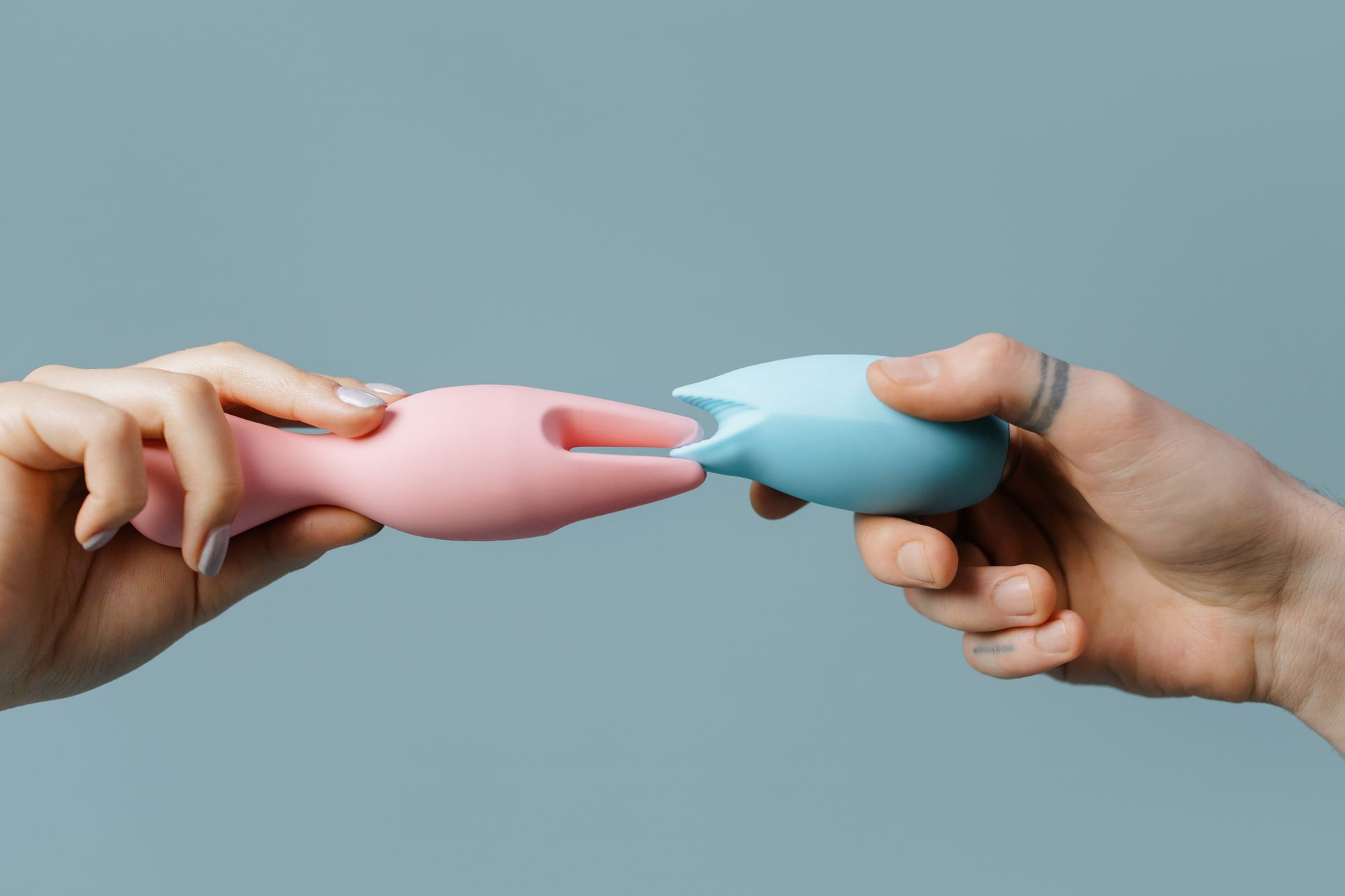
Photo by cottonbro studio on Pexels
With a partner, using a lemon vibrator can actually deepen communication because it's a different activity than penetrative sex. You're not trying to make the old pattern work faster. You're trying something new together, which reframes the whole dynamic from "something's wrong" to "let's explore."
When to reach out to your doctor
If you're a few months into your medication and sexual sensation still hasn't improved, or if it's worsening, mention it at your next appointment. You have options.
Sometimes a dose adjustment helps. Sometimes switching to a different class of antidepressant (like buproprion, which doesn't carry the same sexual side effects) works. Sometimes adding a second medication to counteract the sexual side effect is the move. None of these conversations are unusual or shameful. Your psychiatrist or GP has had this discussion dozens of times.
The point is: you don't have to choose between mental health and sexual pleasure. There are almost always ways to optimize both.
The practical reset
Here's what I usually recommend to people navigating this:
First, acknowledge the timeline. You're not "broken." You're on medication that helps your mental health. That's the priority. Pleasure adjustments are secondary but worth investing in.
Second, try a tool designed for this specific scenario. A lemon clitoral vibrator isn't a magic fix, but it's specifically engineered for situations where traditional stimulation feels insufficient. That's not a coincidence.
Third, commit to longer warm-up. Budget 20-30 minutes minimum. Your body needs time. That's not a setback. That's information.
Fourth, let pleasure feel different than it used to. You're not trying to recreate the past. You're building a new normal that works with your current neurology.
Most people find that as their body adjusts to the medication, sensation gradually returns. By month four or five, arousal often picks up. But in months one through three, having a tool and a strategy makes the difference between frustration and discovery.
People also ask
Can antidepressant sexual side effects go away on their own?
Yes, often. Many people experience the most noticeable dampening in the first 4-8 weeks, and sensation gradually improves as their body adjusts to the medication. For others, the side effect stays consistent. How much improvement you see depends on the specific medication, your dose, and your individual neurology. If it hasn't improved noticeably after three months, talk to your prescriber about options.
Is a lemon sucker really better than a regular vibrator for this?
Not universally. Some people prefer high-intensity vibrators because they cut through the dampening more directly. But anecdotally, suction-based tools like the lem vibrator feel less frustrating to many people because they don't feel like a "failing" version of what used to work. The novelty of the sensation also helps. Try both and see what your body tells you.
Should I wait to start antidepressants if I'm worried about sexual side effects?
No. Your mental health is the priority. Sexual side effects, while real, are temporary or manageable for almost everyone. Untreated depression or anxiety damages your life in far broader ways. Take the medication. Address the side effects as they come. They're solvable.
Will switching medications help with sensation?
Possibly. Buproprion, for example, is less likely to cause sexual side effects than SSRIs. But switching medications isn't a quick fix because most new antidepressants take 4-6 weeks to reach full effect. If sexual function is causing real distress, it's worth discussing with your doctor, but it's usually not the first move.
How long does it take for arousal to return after starting antidepressants?
It varies widely. Some people feel improvement within weeks. Others take months. A small percentage experience persistent side effects on their particular medication. The good news is that options exist: dose adjustments, medication switches, or adding a second medication to counteract the side effect. You're not stuck.
Can I use a lemon clitoral vibrator while on antidepressants?
Absolutely. There's no interaction between the medication and the toy. The lem vibrator is actually designed for situations exactly like this where you need a different type of stimulation to rebuild sensation. Just make sure you're using plenty of water-based lubricant and starting at lower intensity patterns.
What comes next
Antidepressants are worth it. Your mental health matters more than sensation that will likely return or can be worked with. But you also deserve pleasure. The two aren't mutually exclusive, even when it feels that way in month two.
If you're struggling with sexual side effects, know that thousands of people have navigated this. Tools like lemon vibrators exist specifically because the problem is common. Your body isn't broken. It's just operating under different neurochemistry right now. And that's temporary, or at least manageable.
Start with longer warm-up time. Try a lemon clitoral vibrator if traditional stimulation feels insufficient. Talk to your doctor if things aren't improving. And give yourself permission to rebuild pleasure slowly instead of expecting it to feel like it did before.
Your pleasure matters. So does your mental health. You get to have both.