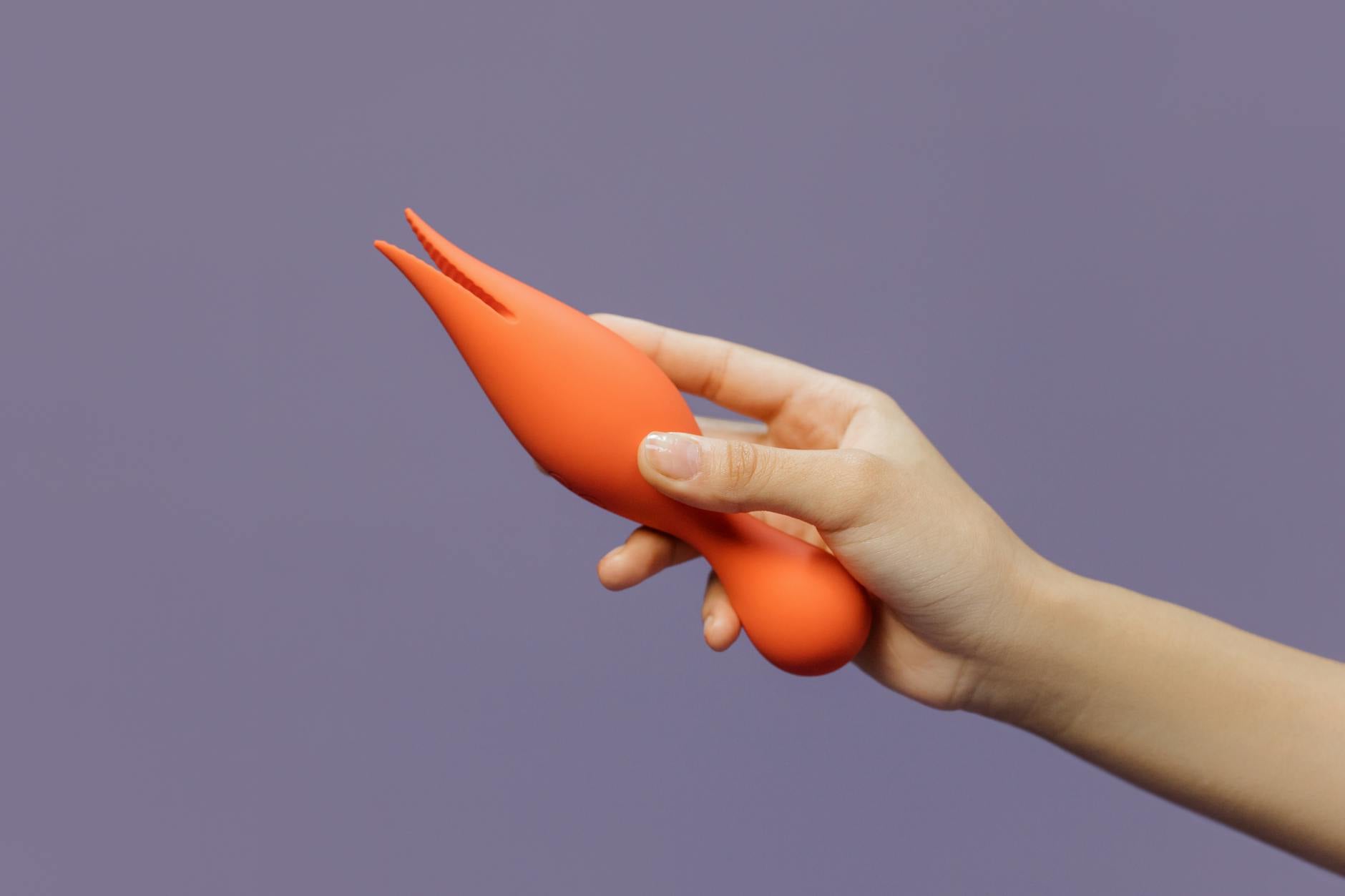
Here's what hormonal shifts actually change
When estrogen drops, the tissue lining your vulva gets thinner. This isn't a temporary cosmetic thing. The vulvar vestibule, clitoral hood, and vaginal opening all lose elasticity and become more delicate. This shift happens gradually during perimenopause, accelerates after menopause, and can also occur during breastfeeding, after certain medications, or during extended low-hormone phases of hormonal birth control.
The problem: traditional vibrators use direct mechanical friction to stimulate tissue. When tissue is thickened and resilient, that works fine. When it's thin, that same friction can feel raw, irritated, or even painful.
That's where lemon vibrators change everything.
Why suction works where friction doesn't
A lemon clitoral vibrator uses air-pulse or suction technology instead of direct oscillation. Rather than vibrating side-to-side against delicate tissue, suction gently envelops the clitoris and stimulates the nerve endings through a wave of pressure and release.
Think of it this way: direct vibration is like rubbing sandpaper on silk. Suction is like cupping your hand around tissue and pulsing rhythmically. One creates friction. The other creates stimulation without the same mechanical stress.
For people with thinned tissue, this distinction is everything. The clitoris has around 8,000 nerve endings concentrated in a tiny area. Those nerves respond to pressure changes, temperature, and rhythmic stimulation. Suction technology activates all three without requiring your tissue to withstand repetitive friction.
That's why Hello Nancy's lemon vibrator and similar suction-based devices have become the preferred choice for anyone navigating hormonal changes. They deliver intense stimulation while being genuinely gentle on vulnerable tissue.
The tissue biology behind the shift
Estrogen isn't just about reproduction. It's a structural hormone. It maintains collagen production in your vulvar skin, keeps blood flow robust in the area, and supports the mucous membranes that line your genital tissue. When estrogen drops, all three of those things change.
Your vulvar skin becomes thinner, more translucent, and more prone to micro-tears. The tissue that was naturally lubricated becomes drier because the mucous membranes aren't as active. The blood vessels that normally dilate during arousal become less elastic, which means it takes longer for engorgement to happen and the sensation feels less pronounced.
Here's the thing: none of this means you lose pleasure. It means the mechanism of pleasure changes. Your clitoris still has the same nerve density. Your brain still processes arousal the same way. But the scaffolding supporting those nerves has become more delicate, and direct friction becomes counterproductive.
When you shift to a lemon sucker or lemon clitoral vibrator, you're matching the tool to your tissue's current state. You're not fighting against biology. You're working with it.
Why traditional vibrators feel uncomfortable (and what changes)
I've heard this from countless clients: "My vibrator used to feel amazing. Now it feels like it's going to tear something." That's not a sign your body is broken. It's a sign your tissue composition has changed and your tool needs to change with it.
Traditional vibrators rely on high-frequency oscillation, usually between 5,000 and 10,000 Hz. That frequency is designed to penetrate and stimulate, and it works great on thickened, resilient tissue. But when tissue is thin, that same frequency creates a different sensation: rawness, buzzing without pleasure, or even sharp sensations that feel unsafe.
Suction devices typically operate in the 1,000 to 3,000 Hz range. Lower frequency, but rhythmic. The sensation is rhythmic pulsing rather than constant vibration. Your tissue feels the pressure wave, not the mechanical buzz. The result: intense clitoral stimulation without irritation.
Many people also notice that lemon vibrators feel more customizable. You can control the intensity through different patterns, intensity levels, and contact styles. Because suction works differently than vibration, you have more granular control over what you feel.
When tissue thinning happens (and it's earlier than you think)
Most conversations about tissue changes focus on menopause. Honestly, that's the most visible marker, but hormonal tissue thinning can start much earlier.
During perimenopause (which can begin in your late thirties or forties), your hormones are already fluctuating. Some months you have enough estrogen to support your tissue. Other months you don't. That inconsistency is part of what makes perimenopause confusing: your body's response to stimulation changes unpredictably.
Breastfeeding creates temporary low estrogen, which is why some nursing parents experience tissue changes. Certain hormonal birth control methods lower estrogen. Extended use of antidepressants or antihistamines can reduce lubrication and tissue plumpness. Autoimmune conditions like Sjogren's syndrome affect moisture systemically, including in genital tissue.
The point: if you notice tissue feels thinner or more delicate, or if direct vibration starts to feel uncomfortable, that's real data. It doesn't mean you're old or broken. It means your tissue is telling you it needs a different kind of stimulation.
A lemon clitoral vibrator responds to that signal. That's why people often switch from traditional vibrators to suction-based options mid-life, even if they had great experiences with traditional vibrators before.
The comfort-and-intensity paradox
Here's something counterintuitive: suction-based devices like the lemon vibrator often feel more intense than traditional vibrators, even though they're technically gentler on tissue.
Why? Because suction stimulates nerves differently. It creates a sensation of fullness and rhythmic pressure, which registers as more powerful in your brain even though your tissue is experiencing less mechanical stress.
I've had many clients tell me they could barely feel traditional vibrators after their tissue thinned, so they gave up. Then they tried a lemon clitoral vibrator and had one of the most intense orgasms of their life. That's not coincidence. That's physics. Different stimulus type, different neural response, same clitoris.
Practical adjustments when tissue is thinner
Beyond switching to a lemon vibrator, three other shifts matter:
Use more lubrication. Water-based lube on thinner tissue does two things: it reduces friction and it plumps the tissue slightly by hydrating it. This is non-negotiable when you have thinned tissue. The lube is part of the tool.
Start with lower intensity. Even though suction feels gentler overall, that doesn't mean you want maximum intensity on day one. Start with pattern 1 or 2 on your lemon vibrator and work upward. Your tissue will adjust.
Warm up longer. Arousal brings blood flow to the area, which plumps tissue and increases lubrication. When tissue is thin, that warm-up period is especially important. Budget 15 to 25 minutes before introducing a toy.
These adjustments aren't limitations. They're fine-tuning. And honestly, most people find that slowing down and paying more attention to the build-up actually feels better than rushing.
When to talk to a doctor
If you're experiencing pain with penetration or even just with contact, that's worth mentioning to your doctor or gynecologist. Genitourinary syndrome of menopause is real and treatable. Topical estrogen creams can rebuild tissue thickness in a matter of weeks. Other people benefit from vaginal moisturizers or, in some cases, systemic hormone support.
You're not meant to white-knuckle through discomfort and hope pleasure comes back on its own. There are actual tools and treatments that help your tissue recover. And while you're exploring those options, a lemon clitoral vibrator or lemon sucker can be part of a pleasure practice that works with your body as it is right now.
FAQ: Lemon Vibrators and Tissue Changes
Can a lemon vibrator really prevent tissue thinning?
Not prevent, but the increased blood flow from regular sexual stimulation does support overall tissue health. Suction-based stimulation brings blood to the area, which improves circulation and can help maintain some of that plumpness over time. It's not a cure-all, but it's part of a comprehensive approach to genital health that includes lubrication, arousal time, and sometimes medical treatment.
Is my clitoris more sensitive when tissue thins, or less sensitive?
Neither, exactly. The nerve density of your clitoris doesn't change. But the tissue surrounding those nerves does, so the sensation feels different. Some people describe it as less diffuse and more concentrated. Others find that now that they're using the right tool, sensation feels sharper and more defined. The sensitivity is the same. The experience is different.
How long does it take to notice a difference when switching from a traditional vibrator to a lemon vibrator?
Most people notice within one or two uses. Suction stimulation feels immediately distinct from oscillation-based vibration. Whether it feels better depends on where your tissue is, but if tissue thinning is the issue, you usually know right away that suction is more comfortable.
Can I use a lemon vibrator if I haven't experienced tissue thinning?
Absolutely. Suction-based lemon vibrators work great for anyone. They're not a compensation tool for aging or hormonal changes. They're just a different type of stimulation that some people prefer. Plenty of people in their twenties love lemon clitoral vibrators because of how they feel, independent of any tissue changes.
If a lemon vibrator feels intense, should I use lower settings, or is something wrong?
Lower settings are your friend while you're adjusting. Suction-based stimulation feels different and often stronger than traditional vibration, so your nervous system might need a second to recalibrate. Start with lower intensity levels and work up as your comfort increases. That intensity you're feeling is actually often a good sign that the tool is working effectively for your tissue.
Does lubrication matter more with a lemon vibrator than with other toys?
Yes. Suction works best when there's adequate moisture. If your tissue is thin and dry, using water-based lube before and during use will improve both comfort and sensation. The lube isn't masking the problem. It's creating the conditions where suction can work optimally.
The bottom line
When tissue thins, your pleasure doesn't end. Your tool changes. A lemon clitoral vibrator or other suction-based device isn't a compromise. For many people navigating hormonal changes, it's an upgrade. The shift from friction-based to suction-based stimulation often brings pleasure that feels sharper, more intense, and genuinely sustainable.
If you're someone who's felt like pleasure slipped away when your hormones shifted, that's not your clitoris. That's your tool. Give your tissue what it actually needs right now, and you might find that your thirties, forties, fifties, and beyond are when your pleasure gets really interesting.