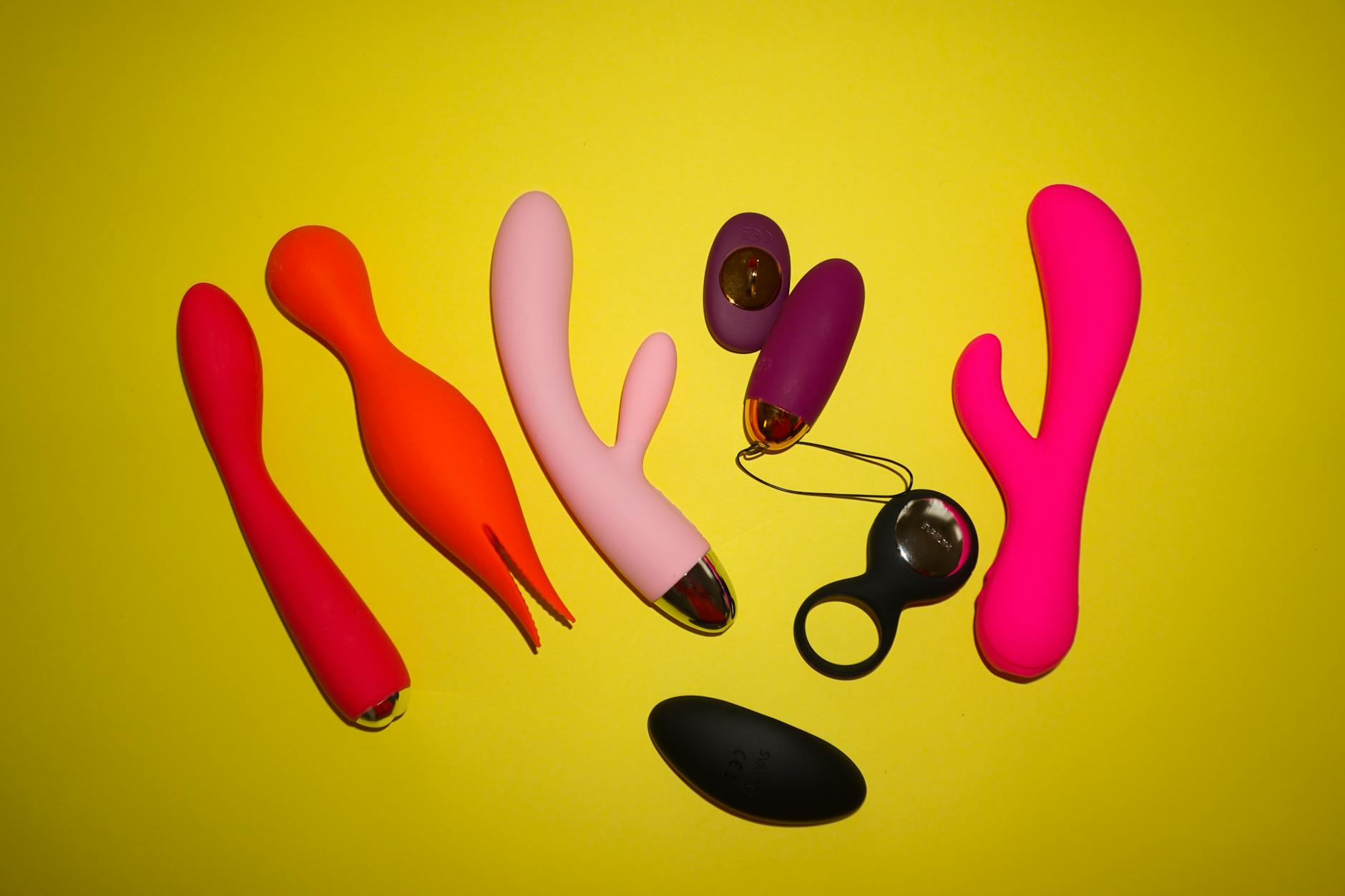
Let's talk about the medication effect no one warns you about
Antianxiety medication saves lives. It also, sometimes, mutes desire. SSRIs, SNRIs, buspirone, benzodiazepines. these drugs rewire how your brain processes signals, including sexual ones. You're not broken. Your nervous system is working differently now, which means your pleasure system needs different tools.
Here's what you need to know: a lemon vibrator doesn't bypass medication. But air-suction clitoral vibrators work on a fundamentally different neurological pathway than friction-based toys. That difference matters when your brain chemistry has changed.
How antianxiety medication actually affects arousal
Most antianxiety drugs work by increasing serotonin or dampening your nervous system's threat response. That's brilliant for anxiety. It's also why your genitals might feel like they're underwater.
The mechanism is threefold. First, increased serotonin can flatten the dopamine spike that normally accompanies arousal. Second, when your nervous system is calmer overall, it takes more sensory input to push you into the arousal zone. Third, these meds often reduce blood flow to sexual organs slightly, which delays the physical responses that usually signal to your brain that something pleasurable is happening.
This is not permanent. This is not your fault. This is pharmacology.
Why lemon vibrators feel different on medication
A traditional vibrator creates pleasure through repetitive friction. Your nerves have to detect that vibration, send a signal to your brain, and then your brain has to amplify that signal into arousal. When you're on a medication that dampens signal amplification, friction-based toys often feel dull.
Air-suction lemon vibrators work through a different mechanism entirely. Instead of vibration, they create gentle suction and release cycles that stimulate the thousands of nerve endings in your clitoris. This is a more direct stimulation pattern. It's less about your brain amplifying a weak signal and more about overwhelming your nerve endings with intensity.
In practical terms: if your medications have made subtle sensations disappear, you need a toy that creates obvious, unavoidable sensations. A lemon clitoral vibrator does that.
The arousal ramp looks different now
Before medication, you might have gotten wet and alert within five minutes. Now it might take twenty. Before, a certain touch would spark everything. Now, nothing sparks until intensity reaches a specific threshold.
This is where most people get discouraged. They assume it's the medication's fault and give up. Partially true. But mostly, they're just using the wrong approach.
With a lemon vibrator on medication, your warm-up time still matters, but the initial intensity matters more. Start at pattern two on your lem vibrator. Spend two minutes there. Your body needs those early pulses to recognize what's happening. Then move up to pattern three or four. Keep the intensity climbing. The goal is not to start gently and build. The goal is to reach your new threshold as directly as possible.
Most people on SSRIs or similar drugs need to spend forty to sixty percent of their pleasure time at high intensity. That sounds exhausting. It's actually liberating. You're not trying to coax sensation from a dull body. You're meeting your body where it actually is.
Mental state matters more now
Here's something that surprises people: antianxiety medication often makes the mental components of arousal more important, not less. Before medication, your body might have overridden a distracted mind. Now, your mind has to do more of the work.
This means porn, erotica, or fantasies that work for you become essential tools, not optional extras. It means you need to eliminate distractions more ruthlessly. It means the quality of your relationship with your partner (if you have one) shows up in your pleasure in new ways.
When you're using a lemon vibrator, the sensory intensity helps. But you also need mental permission and focus. Set aside real time. Close the door. Put your phone across the room. Tell your partner you need twenty minutes. Give yourself explicit permission to feel nothing for the first ten minutes and then something real after. This sounds clinical. It's not. It's honoring what your body actually needs right now.
Lubrication changes too
Many antianxiety medications reduce natural lubrication. Some do this slightly. Some do it dramatically. This is separate from the arousal issue, and it needs its own solution.
Water-based lubricant is your friend. Not as a backup. As a standard. Use it every time with a lemon vibrator or any toy. The combination of suction plus dry tissue can create friction, which defeats the purpose. Lubrication transforms the experience from potentially uncomfortable to genuinely pleasurable.
Apply it generously. Reapply halfway through. This isn't something you should have to think about once you have it right.
Talk to your doctor about switching if needed
Not all antianxiety medications hit arousal equally hard. Some have almost no sexual side effects. Others derail desire almost universally. If you're on a medication that's completely flattening your pleasure and you've given it three months, that's information worth bringing to your prescriber.
There are alternatives. Buspirone tends to have fewer sexual side effects than SSRIs. Some SNRIs are better than others. Adjusting the dose sometimes helps. Adding a second medication to counteract the sexual side effect sometimes works. Your doctor might suggest a medication holiday on weekends. This is worth exploring.
But this conversation works best when you come armed with information. "My medication is affecting my arousal" is vague. "I'm using a lemon clitoral vibrator regularly, I'm giving myself adequate time and mental focus, and I'm still not reaching the arousal threshold I had before medication" is specific and useful.
When numbness is about more than the medication
Sometimes antianxiety medication is part of the story. Sometimes it's the whole story. Sometimes it's covering for something else.
If you're on medication and you've tried adjusting your approach, switched positions, added toys, increased stimulation, and given yourself real time with genuine focus, and you're still feeling nothing: the medication might be part of it, but ask yourself harder questions. Is the relationship working? Are you actually excited about sex anymore, or are you trying to access pleasure out of obligation? Do you feel safe and relaxed, or anxious in a deeper way the medication doesn't touch?
Medication changes neurochemistry. Life circumstances change motivation. Sometimes both are true. A lemon vibrator can't solve the second one. But a conversation with a therapist or sex educator can help you sort out which issue is which.
FAQ: Antianxiety Medication and Pleasure
How long does it take for arousal to come back if I switch medications?
Two to four weeks, typically. Your brain needs time to adjust to new chemistry. Some people feel an immediate shift. Some take longer. If you switch and nothing changes after six weeks, you probably need a different medication altogether.
Can I take my medication at a different time of day to avoid the arousal effect?
Sometimes. Some antianxiety meds work best at night, which might spare your daytime arousal. Others need to stay in your system consistently. Ask your prescriber if adjusting the timing is possible without reducing effectiveness. It's worth trying, but don't sacrifice anxiety management to chase arousal.
Is it normal to need way more stimulation now?
Completely normal. Antianxiety medication changes your nervous system's baseline sensitivity. You're not being difficult or needy. You're adapting to new neurobiology. A lemon vibrator creates more obvious, harder-to-ignore sensations, which is exactly what works better for brains running on these medications.
What if my partner thinks I should be able to orgasm without toys now?
Then you have a communication problem that a toy can't fix. You might need a conversation with a relationship counselor. Medication changes your body's wiring temporarily. A partner who can't accept that you need different tools doesn't understand what medication actually does. The toy isn't the issue. The expectation is.
Does the numbness ever fully go away?
For most people, yes. Arousal usually comes back once your body adjusts to the medication (usually within three months) or your dosage stabilizes. For some people, there's a permanent, manageable reduction. You learn to work with it. Lemon vibrators are excellent for permanent reduction because they create such clear sensations.
If I stop taking the medication, does my arousal return immediately?
Usually within a few days to a week, but don't stop taking medication to chase arousal. Work with your doctor on any changes. The anxiety relief is worth more than a few weeks of numb arousal. Find the right medication dosage and toy combo, and you can have both.
You're not starting from zero
Antianxiety medication doesn't erase your capacity for pleasure. It reorganizes how your nervous system processes sensation. A lemon sucker or clitoral vibrator isn't a fix. It's a tool that matches your current neurochemistry. Your arousal didn't disappear. It just changed address.
Give yourself real time. Use real intensity. Get curious about what works now, not bitter about what worked before. And if the medication is costing you more than it's saving, have that conversation with your doctor. There's almost always a way forward that keeps your mental health intact and your pleasure available.
Want to explore other strategies for reconnecting with sensation after life changes? Check out our guide on how to use a lemon vibrator for pleasure when you have brain fog or learn how partners navigate different sensitivity levels.