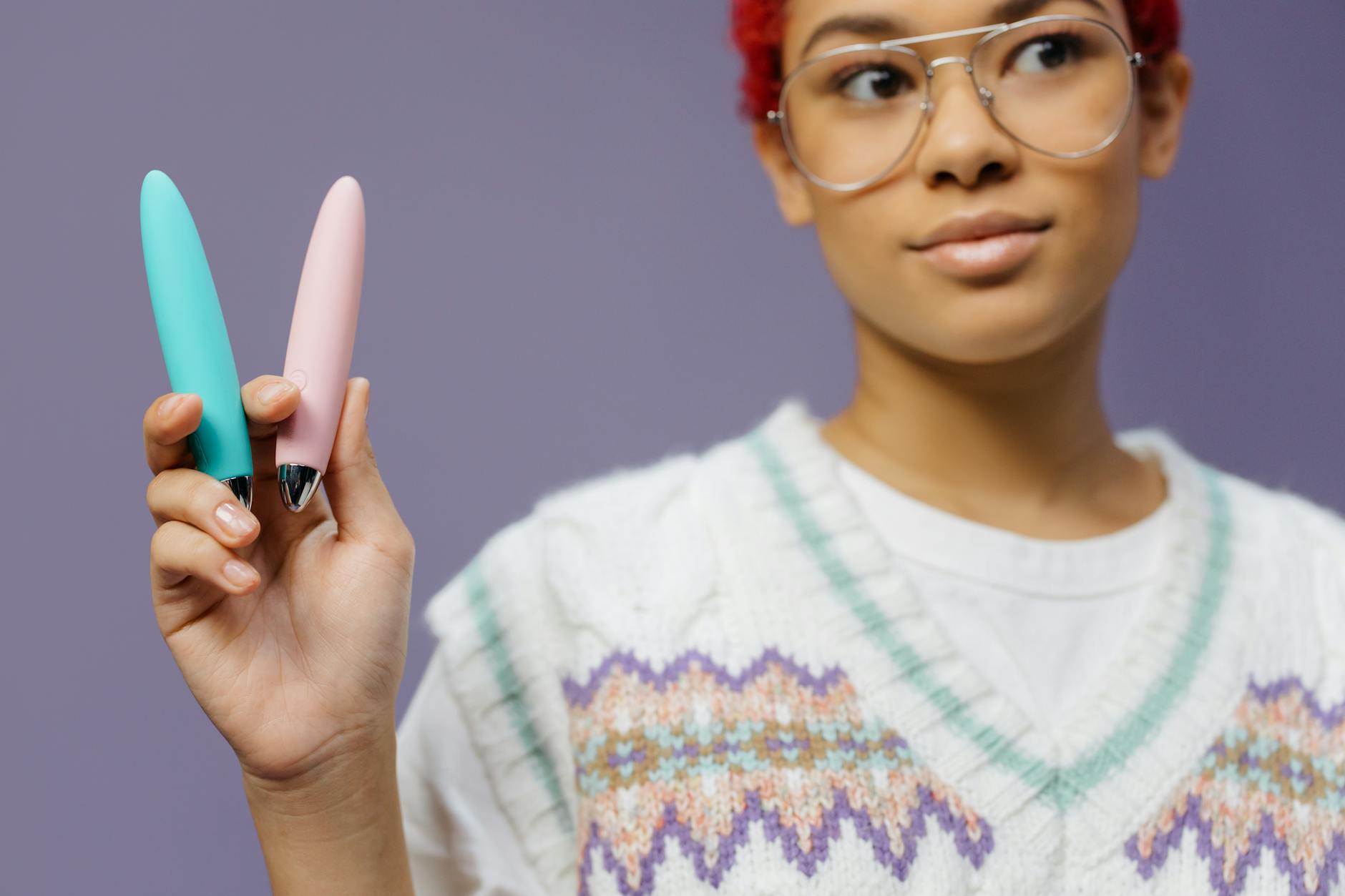
Let's start with what's actually happening
Perimenopause dryness isn't a personal failing. Estrogen is fluctuating wildly, which means your vaginal tissue is getting thinner and less able to produce its own lubrication. This happens to most people in their 40s and 50s. The tissue change is real. Your capacity for pleasure absolutely is not.
Here's where lemon vibrators change the game: air-suction devices work with dryness instead of against it. They don't require the same friction as traditional vibrators, which means you can have deeply satisfying orgasms even when lubrication is low.
Why perimenopause dryness feels different with standard vibrators
Traditional vibrators rely on consistent back-and-forth or up-and-down friction. When tissues are dry, friction creates irritation instead of pleasure. It's not that you've lost sensation. It's that the mechanical pressure is working against your body's current state.
A lemon vibrator (also called a clitoral suction vibrator or lemon sucker) uses gentle pressure waves instead of direct friction. Think of it like the difference between rubbing a dry sponge versus using light pressure on a damp cloth. The lemon clitoral vibrator pulls tissue into the cup gently, stimulating the entire clitoral network without requiring your body to produce friction-level lubrication.
This matters during perimenopause because it means you're not constantly chasing vaginal wetness that your body might not be producing on schedule. You can work with what you have.
How to prep for using a lemon vibrator when you're dry
Timing is your first tool. Even during perimenopause, arousal still happens. It just might take longer to build. Plan 20 to 30 minutes of foreplay before you introduce the lemon vibrator itself. This gives your body time to produce whatever natural lubrication it can.
If foreplay doesn't produce enough wetness, water-based lubricant is non-negotiable. This isn't admitting defeat. Lube is a tool that extends your options, especially during hormonal transition. Apply it generously to the clitoral area and to the cup of the lemon vibrator. A thicker lube like Hyalo Gyn or coconut oil alternative works better than thin lubes during this phase because it stays put longer and creates more glide.
Warm your body first. A warm bath, a heating pad on your lower belly for 10 minutes, or warm hands on your inner thighs increases blood flow to the area and can slightly improve your body's ability to produce lubrication. It's not magic, but it helps.
The technique shift for using a lemon sucker during dryness
Start on the lowest setting. The lemon vibrator's intensity matters less during perimenopause dryness than pattern matters. Many people skip straight to levels 4 or 5, assuming they need maximum power to feel anything. You don't. Start at level 1 or 2 and stay there for 3 to 5 minutes. Let your clitoris wake up.
Focus on placement over movement. Position the cup so it's creating a gentle seal around your clitoris, then hold it still. You're not gliding or rotating. The suction is doing the work. Some people move the cup in tiny circles, but honestly, stillness with suction beats constant motion when dryness is the issue.
After 5 minutes at a low level, you can increase to level 3 or 4 if you want. Most people find that they actually need less intensity during perimenopause because suction stimulates a wider area of the clitoral network than vibration alone does. This is good news. It means your lemon vibrator might feel stronger than your old toys even at a lower power setting.
Re-lubricate every 10 to 15 minutes. Dryness means lube evaporates faster. This isn't complicated. Keep your bottle nearby, wipe away any dried lube, and apply fresh. This keeps sensation consistent instead of suddenly hitting friction spots.
Recovery and aftercare during perimenopause
The tissues are more fragile right now, which means aftercare matters more. After you finish, rinse the area with lukewarm water and pat dry gently. Apply a light moisturizer made for sensitive skin or a vulvar-safe oil like jojoba. Your tissues are dehydrated, and helping them recover means you can enjoy pleasure again sooner.
If you experience any irritation or pain the next day, dial back both intensity and duration. Use the lemon vibrator for 15 minutes instead of 30. Try every other day instead of daily. Your body will tell you what it can handle. Perimenopause fluctuates wildly, so what works one week might need adjustment the next. This is completely normal.
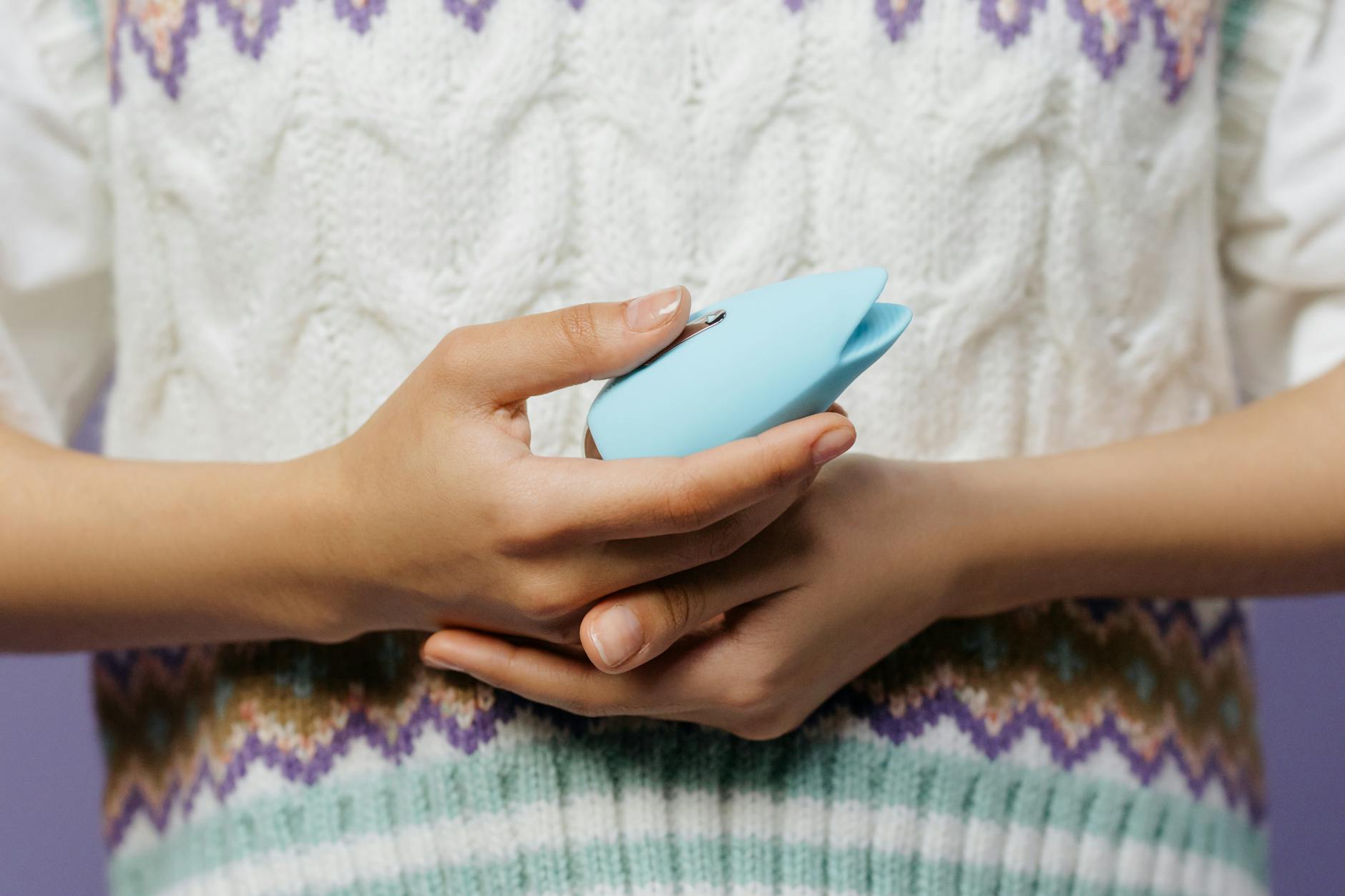
Photo by cottonbro studio on Pexels
When to separate dryness from other changes
Not every reduction in sensation during perimenopause is dryness-related. Sometimes arousal is slower because of stress, sleep deprivation, or relationship disconnection masquerading as hormonal. The key is testing: if lubrication and technique adjustments help, it's likely dryness. If they don't shift anything, something else is happening.
If pain appears, stop immediately and see a provider. Pain during sex is not a normal part of perimenopause. Genitourinary syndrome (GSM) is treatable, sometimes with topical estrogen creams that don't require systemic hormone therapy. A gynecologist can rule out infection or other issues in about 10 minutes.
Partner play introduces a different set of considerations. Dryness doesn't mean penetration has to stop, but it might mean adjusting. Read more about how to use a lemon vibrator with a partner who prefers external-only stimulation if penetration is becoming uncomfortable. Solo exploration with your lemon vibrator first gives you information about what your body needs right now, which you can then bring to partner conversations.
The emotional piece nobody talks about
Here's the thing about perimenopause dryness: it can feel sudden. Last month you were fine. This month you're not. That whiplash is real, and it can make people feel broken or aging in ways that don't match their actual desire.
You're not broken. Your body is adjusting. The fact that lemon vibrators work so well during this phase isn't a consolation prize. It's actually a feature. You get to discover a different kind of stimulation that some people find more intense than anything they've felt before.
Many of my clients report that once they leaned into lemon vibrators during perimenopause, they didn't want to go back to traditional vibrators. The sensation is different, it works faster, and it eliminates the friction-based discomfort. Some people assume they'll use them temporarily. They end up keeping them as their primary pleasure tool.
Tracking what works across your cycle
Perimenopause means your cycle is getting more unpredictable. Dryness might be severe for two weeks, then ease for three days, then spike again. Instead of assuming you know how you'll feel, keep a simple note: date, what you tried, how it felt, any discomfort afterward. After four to six weeks, you'll see patterns.
Some people notice dryness peaks right after their period. Others find it worse in the luteal phase. A few experience it randomly with no pattern at all. Once you know your pattern, you can plan lemon vibrator sessions for the times when your body has the most resources to engage.
This isn't rigid. It's just information. Flexibility matters more during perimenopause than it does at any other life stage because your body is literally changing week to week.
FAQ: Lemon Vibrators and Perimenopause Dryness
How much lubrication do I actually need with a lemon vibrator during perimenopause?
Enough that you're not feeling friction. The lemon vibrator needs moisture to create suction, so if you're completely dry, a decent layer of water-based lube on the cup and the surrounding area helps. You need less than you might think because the suction itself isn't friction-dependent the way traditional vibrators are. Start with a quarter-sized amount and add more if it dries out.
Can I use a lemon vibrator every day during perimenopause if I'm managing dryness?
Yes, but listen to your body. If you wake up sore or irritated the next day, your tissues are telling you they need more recovery time. Daily use with proper aftercare works for most people, but every other day is perfectly fine too. Perimenopause is unpredictable, so what feels good one week might need adjustment the next. Flexibility beats rigidity.
Does the lemon sucker work better than other clitoral vibrators for dryness?
For most people, yes. The suction mechanism doesn't rely on friction the way traditional vibrators do, which means dryness matters less. You still need lube, but you're not constantly fighting against it. That said, some people find that combining a clitoral vibrator with the lemon vibrator's suction works best. Different bodies respond differently.
Will using lube with my lemon vibrator every time feel less natural?
Not after a few sessions. Your brain normalizes whatever your body needs. Within a week or two, applying lube becomes as natural as turning the device on. Some people actually prefer it because it feels smoother and lasts longer. Natural lubrication is great when your body produces it. Lube is great when it doesn't. Both are normal.
How do I know if what I'm experiencing is dryness or just slower arousal?
Try this: during foreplay, focus on building arousal for 20 to 30 minutes with hands or a partner. Pay attention to whether lubrication increases. If it does but feels insufficient, dryness is part of the picture. If nothing changes and you're not getting wet even with extended foreplay, hormonal dryness is likely. If arousal builds mentally but you don't feel genital engagement, that's sometimes a different issue. A lemon vibrator often helps with all three, but knowing which one you're experiencing helps you troubleshoot.
Can perimenopause dryness get better without hormone therapy?
Sometimes, yes. Vaginal moisturizers (not lubricants, but daily hydration products like Hyalo Gyn) used a few times per week can help. Extended foreplay increases whatever lubrication your body is capable of producing. Staying hydrated helps a little. That said, some people find that topical estrogen creams or systemic hormone therapy transforms the experience. It's worth talking to a provider about options. Dryness isn't something you have to white-knuckle through.
What comes next
Perimenopause is temporary. In five to ten years, your body will stabilize on the other side of menopause. Some people find that sexual sensation actually improves post-menopause because the hormonal chaos stops. For now, lemon vibrators are a tool that meets your body where it actually is, not where you wish it was.
Your pleasure matters during this transition. It's not a luxury that gets paused while your hormones sort themselves out. It's something worth tending to with the same care you'd give any other aspect of your health.
If you're navigating this with a partner, the conversation matters too. Read more about how to use a lemon vibrator for couples communication about pleasure to bring your perimenopause experience into the conversation without shame or apology.
You deserve pleasure that works with your current body, not against it. That's what the lemon vibrator is for.