
The thing no one tells you about sex in long-term relationships
After years with the same partner, you're not supposed to still want toys. That's the unspoken rule. The story goes: first years are hot, middle years are comfortable, later years are maintenance at best. So when a partner in a ten-year marriage pulls out a lemon vibrator for the first time, there's often guilt. Like bringing in outside help means something failed.
It's the opposite. A clitoral vibrator in a long-term relationship isn't a bandage. It's permission.
What actually changes after years together
Your nervous system knows this person. You've logged thousands of hours in proximity. Your body has learned their touch, their rhythm, their patterns. That familiarity is what makes long-term sex so efficient. You know what gets there in fifteen minutes. You know what your partner needs. You know yourself.
But that same familiarity can flatten sensation. Not because the connection weakened. Because your nervous system stopped paying attention. The novelty signal drops. Your body stops firing up the dopamine surge that comes with newness. The clitoral nerves, which thrive on varied stimulation, can become less responsive to the same patterns repeated for years.
Meanwhile, life has happened. Stress, children, careers, aging parents. Cortisol is elevated. Pelvic floor tension creeps in from sitting at desks, from holding yourself together, from managing everyone else's emotional labor. The tissues have changed. The hormonal landscape is different than it was at thirty-five.
None of that means desire disappeared. It means sensation needs a different approach. And that's where lemon vibrators genuinely shift the experience.
Why the lemon clitoral vibrator works differently in this context
A air-suction toy like the Lem introduces sensation that your partner's hand, no matter how skilled, cannot replicate. The variable pressure patterns, the rhythmic suction, the sustained intensity without fatigue. In a long-term relationship, this isn't competing with your partner. It's introducing novelty to a nervous system that's gone quiet.
Here's the thing: introducing a lemon vibrator into an established dynamic often reignites the person using it. Not because they weren't satisfied before. But because a new sensation—one that feels foreign and intense—wakes up attention. You're suddenly present again. Your nervous system is alert. The dopamine fires up.
That arousal then radiates back to the partner. You're engaged. You're vocal. You're responsive in ways that might have flattened a bit over time.
The permission piece (the part therapy would cost money for)
In my work with couples, I see a pattern: long-term partners often feel guilty about desire. Especially if that desire is driven by sensation, by orgasm, by their own body's needs rather than connection to the partner. We've been sold this narrative that mature sex is about intimacy, presence, and emotional connection. All those things matter. But desire is also selfish. It's about your nerves, your pleasure, your body.
Using a lemon vibrator in a long-term relationship gives permission to be selfish in that way. To say: I want this sensation. I want this experience. Not for us. For me. And watching a long-term partner claim that ownership is actually profoundly connecting.
When one partner uses a clitoral vibrator while the other is present, you're not pulling away. You're inviting them to see you want this, need this, deserve this. That kind of radical honesty about your own pleasure often deepens intimacy far more than another night of the same familiar pattern.
The practical shifts that happen
Refractory periods shorten. After orgasm, lemon vibrators let you stay in the window of pleasure longer without the overstimulation or numbness that comes from hand stimulation. Many long-term partners report easier multiple orgasms with a clitoral vibrator because the sensation resets faster.
Foreplay gets intentional again. When you introduce a toy, couples often extend the entire experience. The buildup takes longer. The focus shifts. Instead of foreplay being five minutes before sex, it becomes thirty minutes because the vibrator changes what you're working toward. The goal becomes more complex.
Sensation becomes a conversation. Using a lemon vibrator together requires talking about what feels good right now, which pattern is working, whether this intensity is right. That dialogue, especially in longer relationships where you've stopped articulating these things, can genuinely reconnect you.
Pressure (literal and emotional) decreases. When a partner doesn't have to bring you to orgasm through their own effort, something softens. They can focus on touch, on presence, on intimacy without the performance anxiety of being enough. You're not relying on them for climax. You're using them for connection while you handle sensation.
When the lemon vibrator reveals something deeper
Sometimes introducing a clitoral vibrator surfaced that one partner feels guilty about their body or doesn't believe they deserve pleasure. Sometimes it reveals that communication has stopped. If suggesting a toy gets a harsh "no" or if one partner is resistant to the other's pleasure, that's not a toy problem. That's a relationship problem worth examining.
But in most cases with couples I work with, the introduction of a lemon vibrator becomes a small revolution. It reframes pleasure as something you can own, something that doesn't diminish your partner but actually invites them deeper into your authentic desire.
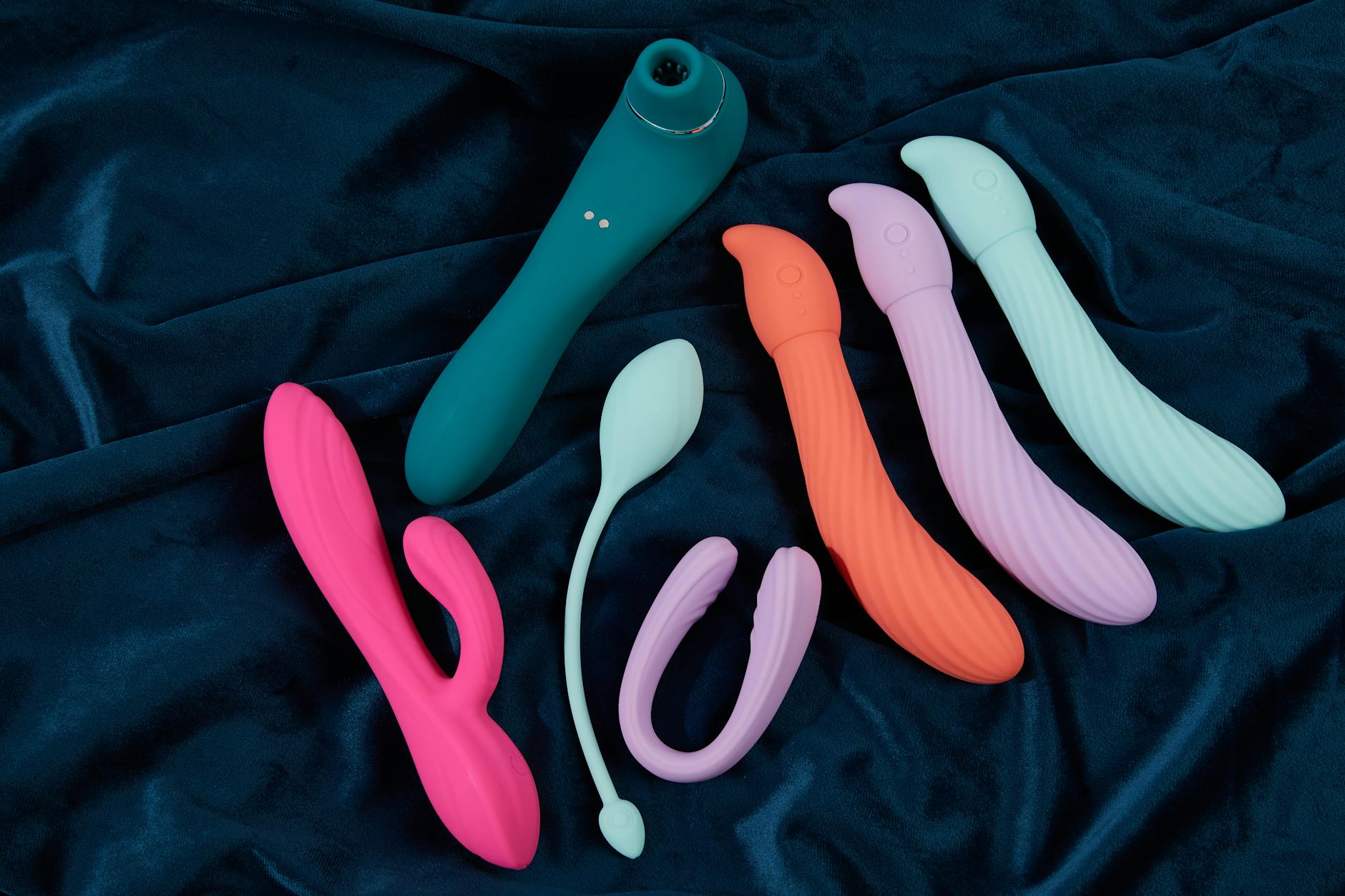
Photo by IFONNX Toys on Pexels
How to introduce this without it becoming weird
If you've been together for years and want to try a clitoral vibrator, you're not starting from zero. You have language, history, and (hopefully) some baseline comfort talking about sex. Use that.
Don't frame it as a fix. Don't say "I'm not satisfied" or "We need to spice things up" as if something is broken. Frame it as curiosity. "I'm curious what this feels like." "I want to try this." Simple. Straightforward. Your body, your pleasure.
Many long-term partners are relieved by this. It takes pressure off them. It says: I'm taking ownership of my own sensation. You get to be part of it, but you don't have to make it happen.
Try it solo first if that feels safer. Get comfortable with the device, with the sensation, with your own response. Then, if you want, bring it into partnered time.
You can also read about it together. Articles about why lemon vibrators work differently when arousal takes longer to build or how to use a lemon vibrator for couples communication about pleasure can normalize the conversation in a way that feels less loaded than bringing it up alone.
The longer game
In the first few years of a relationship, novelty is built in. Your nervous system is constantly surprised by this person. By year ten, twenty, that neurological novelty has mostly faded. You're not less in love. Your system is just habituated.
When we understand that, introducing something like a lemon vibrator isn't admitting defeat. It's accepting the biology of long-term partnership and actively choosing sensation, pleasure, and presence anyway. It's saying: I know you, and I still want to feel alive with you. I still want my nervous system awake. I still want to be surprised by my own body.
That's not settling. That's the opposite.
FAQ: Lemon vibrators and long-term couples
Why do I feel guilty using a clitoral vibrator with my partner of eight years?
Because we've been sold the idea that wanting sensation is wanting your partner less. That pleasure should be simpler, more emotionally driven, more relational. But your body's need for novelty and intensity isn't a reflection on your partner. It's biology. Mature relationships make room for all of it. Your guilt is cultural, not personal.
Does using a lemon vibrator mean my partner isn't enough?
No. It means your nervous system has habituated to their touch, which is normal and expected after years together. A clitoral vibrator isn't a replacement. It's a tool that actually lets your partner be more present because you're handling sensation yourself. Many couples report feeling closer, not more distant, after introducing one.
How do I bring up using a vibrator without seeming like I'm criticizing my partner's performance?
Frame it around your own exploration, not their adequacy. "I'm curious about trying this" or "I want to experience this" is about you. "I'm not satisfied" is about them. Keep the conversation on your pleasure, your body, your desire. That's actually more inviting to a partner than making it about their technique.
Will my partner feel threatened if I want to use a lemon vibrator during sex?
Some partners will, initially. But the threat usually isn't about the toy. It's about feeling replaced, or about you wanting something they "should" provide. Having a conversation beforehand helps. Explaining that you want them present, that this enhances rather than replaces partnered time, often shifts the anxiety. If a partner remains resistant to your pleasure, that's a relationship dynamic worth examining.
Does using a clitoral vibrator mean I can't orgasm from partner touch anymore?
Not at all. Many people move fluidly between sensation tools depending on what they're going for. Sometimes you want the intensity of a lemon vibrator. Sometimes you want the intimacy of partner touch. Sometimes you want both. Your body doesn't lose the ability to respond to touch because you've experienced vibration. You're just expanding your range.
Is there a "right" way to introduce a lemon sucker or lemon clitoral vibrator into an established sexual relationship?
There isn't one template, but there's a principle: transparency and invitation. Talk about it first. Explain what you're curious about. Decide together whether your partner wants to be present (many do). Normalize it. You're using a tool for sensation. That's all. The couples who integrate toys most successfully are the ones who treat them as communication tools, not as secrets or workarounds.
Sex in long-term relationships isn't supposed to stay exactly the same. Your bodies change. Your desires shift. Your nervous systems habituate. That's not failure. That's life. A lemon vibrator isn't a band-aid on a struggling marriage. It's a choice to keep waking yourself up, to keep exploring sensation, to keep claiming your pleasure even though you know this person inside out. And paradoxically, that kind of selfish, unapologetic desire often makes you more present with your partner, not less.
If you're navigating this in your own relationship and want more support, reach out. Sometimes the conversation needs a third voice.